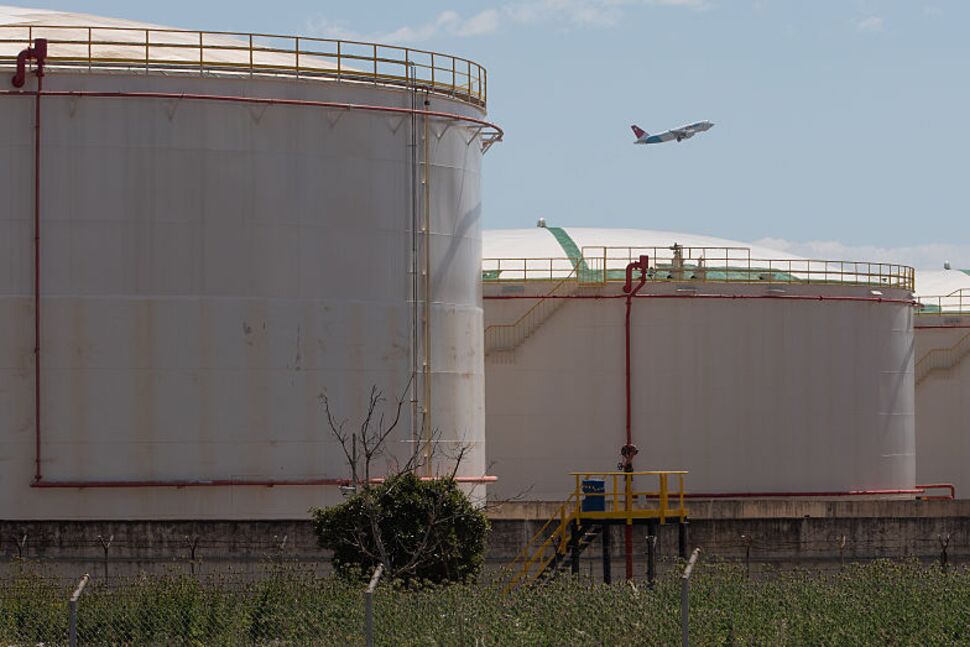
A jet fuel shortage is taking shape this week as a direct result of the conflict in Iran. Since the U.S. and Israel launched strikes against Iran in late February, the Strait of Hormuz has largely remained closed to exports, lowering oil supplies and driving up prices around the world.
Recently, the head of the International Energy Agency told the Associated Press that Europe had limited supplies of jet fuelsparking warnings of significant flight cancellations and rising travel costs. With summer approaching, the typically busy travel season could also take a hit.
Why Is There a Shortage of Jet Fuel?
As the Strait of Hormuz remains closed due to the Iran war, shipping disruptions have limited exports of oil from the region. The United States is somewhat insulated because most of the nation’s jet fuel stockpile is produced domestically. But European and Asian countries rely more heavily on oil from the region, prompting a potential shortage there. With less oil flowing through the strait, jet fuel supplies have plummeted.
How Will This Affect Travel?
Fatih Birol, executive director of the International Energy Agency, said Thursday that if the strait is not soon reopened, Europe could run out of jet fuel in about “six weeks,” the Associated Press reports. Experts warn a shortage like this will also have lasting effects. European airlines may struggle to support the busy summer season, and vacation seekers abroad could face “widespread flight cancellations,” the Washington Post reports. Travelers have already seen higher fares because of the crisis and airlines have begun to cancel some flights.
Are U.S. Flights Being Affected?
Unlike Europe, the U.S. produces most of its jet fuel domestically. This means jet fuel supplies aren’t shrinking in the same way, but higher oil prices have still increased travel costs for Americans – U.S. airlines like Alaska Air, American Airlines and Delta have all hiked baggage fees, the Independent reports.
The European Union is currently considering purchasing U.S. fuel to offset the shortage, and requiring member nations to share their current supplies, Politico reports.
What Does Europe’s Fuel Shortage Mean for You?
Even if you don’t have big travel plans, the jet fuel shortage in Europe is another indicator of ways the war in Iran is upending the global economy. The conflict’s long term economic impacts will be determined by how quickly the strait is reopened, and it won’t just be rising travel costs, Birol told the Associated Press. “The longer it goes, the worse it will be for the economic growth and inflation around the world.”
As the two-week ceasefire nears its end, Iranian officials have not yet committed to more peace talks as of Tuesday morning, CNN reports.
The risks of continued fighting include a rise in global poverty, especially for developing nations, as energy, food and travel costs remain high. Birol warned that the impacts will be felt by everyone. “No country is immune to this crisis,” he said.