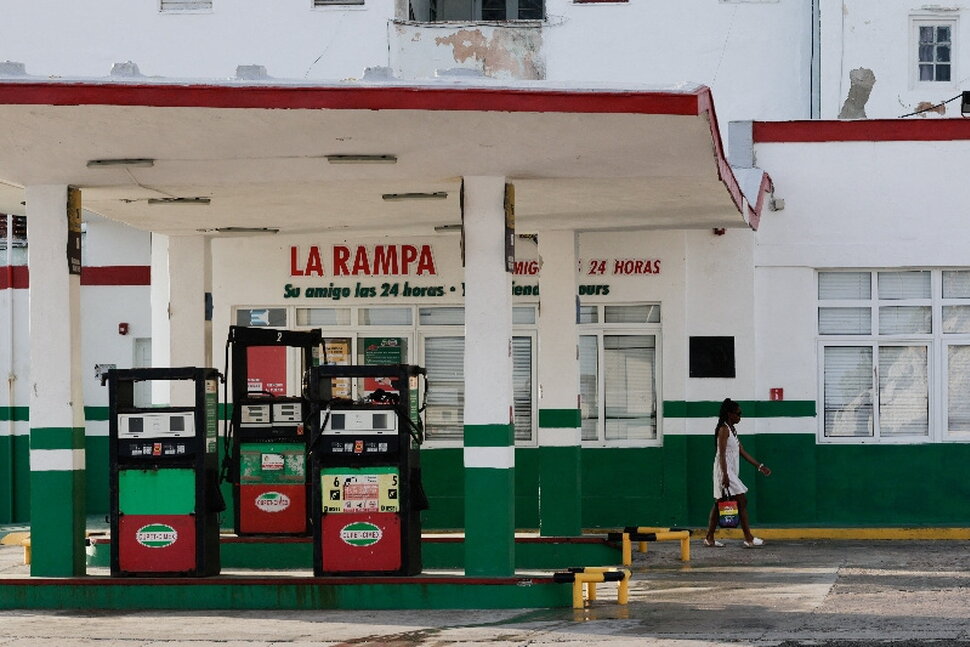
HAVANA, May 15 (Reuters) – Gasoline and diesel prices at the pump in Cuba nearly doubled on Friday, although filling stations open to the public in the capital were still largely closed amid a U.S. oil blockade that has strangled supply and led to strict rationing.
The Ministry of Finance and Prices earlier this week announced that the new pricing scheme would be unveiled on Friday, saying the update was necessary to reflect the “actual” costs of importing gas and diesel.
Signs in some Havana gas stations indicated a price of $2.00 per liter for premium gasoline, up from $1.30 previously. Regular gasoline increased to $1.80 from $0.95, and diesel went to $2.00 from $1.10.
However, the stations were closed and the government has not said when fuel at the new rates will become available.
Motorists in Cuba, most of whom have gone four months with little, if any fuel, said they were frustrated by the uncertainty.
“Right now, we know nothing,” said Roberto Veguet, a Havana taxi driver. “We do not even know where to buy it.”
Cuba has received no oil shipments since the Russian tanker Anatoly Kolodkin delivered approximately 700,000 barrels – roughly a couple of weeks’ worth for the island nation of 10 million people – in late March. That fuel ran out in early May, officials said.
The Cuban government has said future pricing could vary depending on the supplier, transportation costs, routes, insurance, associated risks, and fluctuations in international markets.
Black market prices have soared to between $8 and $10 a liter for gasoline, far out of reach of most Cubans and many times above global market levels.
Some private businesses in Cuba have begun importing fuel from the U.S. and elsewhere in containerships at high cost, though it is generally not for sale to the public.
The United Nations has called the U.S. fuel blockade on Cuba illegal and says it infringes on Cubans’ human rights.
(Reporting by Ayose Naranjo, editing by Dave Sherwood and Rosalba O’Brien)
Copyright 2026 Thomson Reuters.