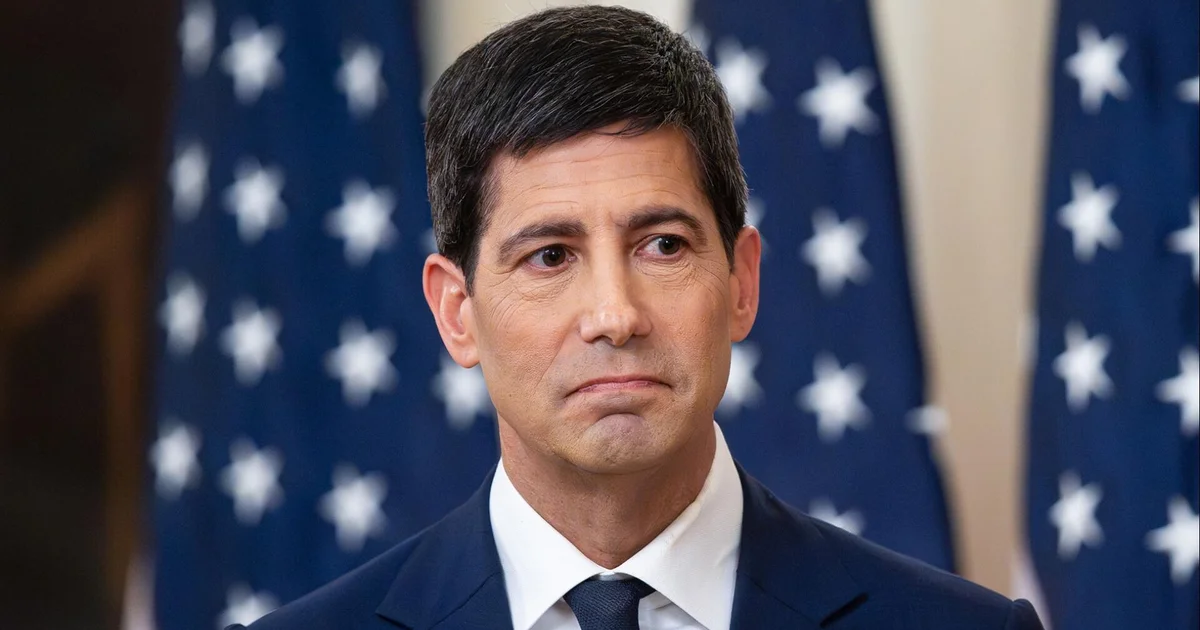
New Federal Reserve Chair Kevin Warsh could face a rude awakening this week with the release of key inflation data that economists expect to show consumer prices continuing to surge in April.
Another hot month for inflation would make it harder for the Fed to deliver the interest rate cuts policymakers were projecting earlier this year and that President Trump aggressively demanded from former Fed chief Jerome Powell.
On Thursday, the personal consumption expenditures price index, or PCE, is expected to show April inflation rose at an annual rate of 3.9%, according to economists surveyed by FactSet. That would mark the highest level for the Fed’s preferred inflation gauge since May 2023 as oil prices tied to the Iran was push up gasoline prices.
After being sworn in Friday as Fed chair, Warsh’s most pressing order of business will be to rein in rising inflation. Complicating that challenge is Mr. Trump’s eagerness for the central bank to ease borrowing costs, which would boost economic growth. At the same time, Warsh has also signaled he wants to significantly reshape how the central bank operates and communicates with financial markets.
“Warsh faces a challenging backdrop as steady labor market conditions alongside rising inflation risks increase the odds of a rate hike as the next policy move,” EY-Parthenon chief economist Gregory Daco said in a report.
Daco also said that the Federal Open Market Committee — the Fed panel that sets its benchmark interest rate — could acknowledge at its June 17-18 meeting that it may have to hike rates if inflation remains above the central bank’s 2% annual target.
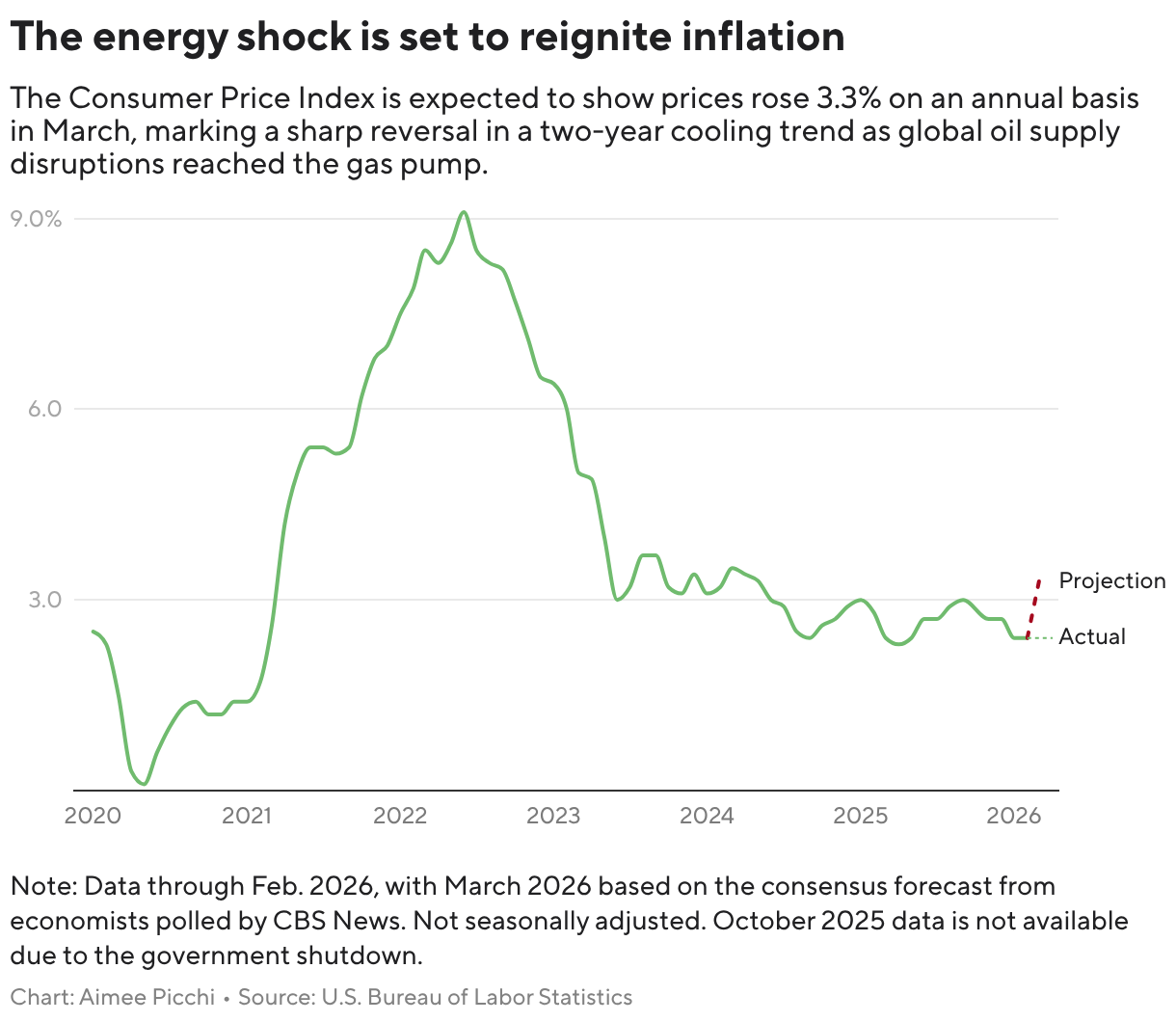
With inflation at its highest level in nearly three years, some economists on Wall Street now predict the Fed will hold rates steady throughout 2026. A rate hike is seen as more likely as the year progresses, with a 40% probability that the Federal Reserve will hike rates at its December meeting, up from 3% at its June meeting, according to CME FedWatch, which bases its predictions on 30-Day Fed funds futures prices.
Fed reforms on tap?
During his swearing-in ceremony last week, Warsh pledged to lead a “reform-oriented Federal Reserve, learning from past successes and mistakes both, escaping static frameworks and models, and upholding clear standards of integrity and performance.”
Yet he also backed the Fed’s traditional dual mandate of keeping both inflation and unemployment rates low, saying that achieving those goals means that “inflation can be lower, growth stronger, real take-home pay higher and America can be more prosperous.”
Warsh’s views on reforming the Fed, which he outlined during his Senate Banking Committee confirmation hearing on April 22, include criticisms of the central bank’s practice of issuing economic projections, arguing that it locks policymakers into positions longer than warranted, potentially compounding policy mistakes.
Warsh, who once had a reputation as a Fed hawk — someone who generally favors higher interest rates to keep a lid on inflation — last year came out in favor of lower rates. He has argued that artificial intelligence will curb inflation by boosting the nation’s economic productivity, giving the Fed more room to ease borrowing costs.
“Just do your own thing”
Given Mr. Trump’s push for lower rates, rising inflation and Warsh’s reformist goals, economists told CBS News the new Fed chair already faces competing pressures. Monetary policy decisions are made by a committee of 12 FOMC members, and while the chair usually has considerable sway, Warsh would need to persuade panel members of the immediate need for rate cuts.
“Kevin Warsh will have a hard time convincing anyone to cut rates any time soon,” said Heather Long, chief economist at the Navy Federal Credit Union, in an email. “Warsh is going to have to show he has the will to do whatever it takes on inflation, even if that upsets President Trump.”
Another challenge for Warsh will be to maintain the Fed’s independence and reassure investors that the central bank will remain free of political influence, according to economists. Powell, the former Fed chair, sought to fend off Mr. Trump’s legal threats and intense pressure to cut rates, arguing that an independent Fed is essential for economic prosperity.
During his Senate hearing, Warsh testified that the central bank will remain “strictly independent” in setting monetary policy.
During Warsh’s swearing-in, Mr. Trump said he wants the new Fed chair to be “totally independent …. don’t look at me, don’t look at anybody. Just do your own thing, and do a great job.”