Kunlathida Petchuen/Getty Images 
The cost of replacing a furnace or central air conditioning system has climbed steadily over the past few years, leaving many homeowners caught off guard when their aging equipment finally gives out. Between today’s higher equipment prices, labor shortages and rising energy costs, what was once a manageable home upgrade can now turn into a major financial decision. And for homeowners already juggling elevated utility bills and other household expenses in this inflationary environment, the timing of that purchase matters more than usual.
HVAC manufacturers and installers must also navigate shifting demand patterns, which adds to the issues. For example, demand spikes during periods of extreme temperatures can quickly drive up installation wait times and reduce negotiating power for buyers, while slower stretches on contractors’ calendars often create opportunities for discounts, rebates and more flexible financing offers. That uneven pricing landscape means two homeowners purchasing nearly identical systems at different points in the year could end up paying dramatically different prices.
Still, many buyers don’t start researching a new furnace or AC system until their current one is already failing. By that point, urgency tends to replace strategy. Understanding when HVAC companies are typically most eager for business can make it easier to avoid overpaying, though, so what is the cheapest time of year to buy a new furnace or AC? That’s what we’ll examine below.
Find out how you can save on your HVAC system with ARS now.
When’s the cheapest time of year to buy a new furnace or AC?
In general, the cheapest time to buy a new furnace or air conditioning system is during HVAC off-peak periods, meaning the stretches in which demand for installations slows and contractors are looking to fill their schedules. For most markets, that tends to happen during the mild-temperature months between heating and cooling extremes. Here’s what to know:
Early spring can bring AC discounts
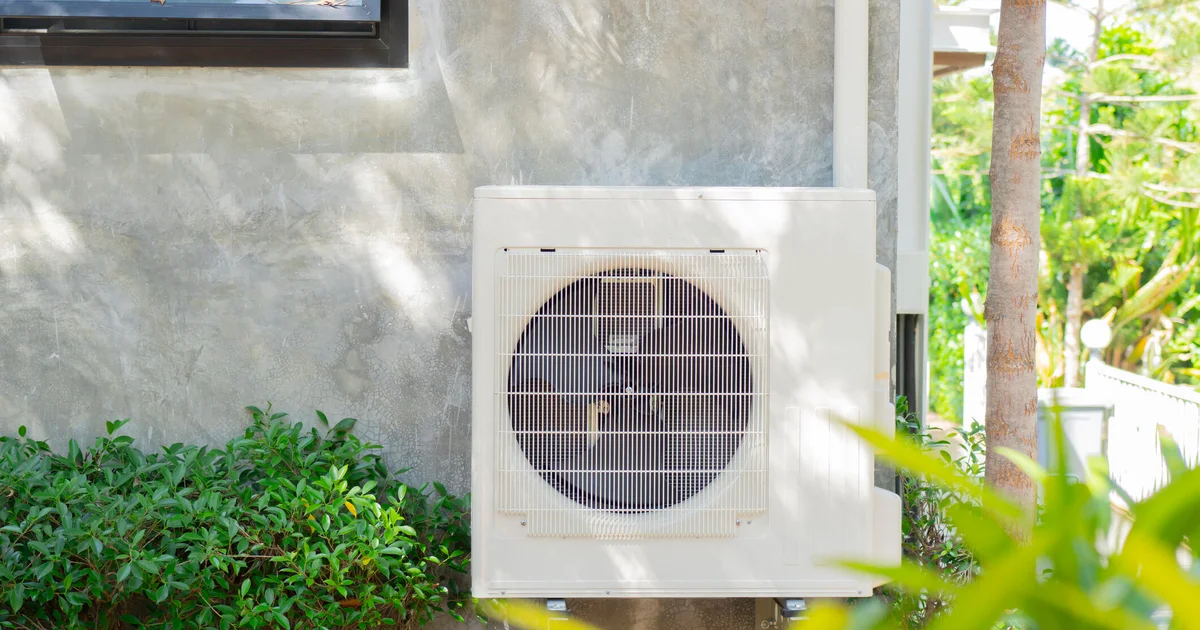
For homeowners replacing an air conditioner, early spring is often one of the best times to secure lower prices. During this period, temperatures in many parts of the country haven’t climbed high enough to trigger widespread AC emergencies, meaning HVAC companies are typically less overwhelmed with service calls and urgent replacements.
That slower demand can create room for promotional pricing, discounted installation packages or manufacturer rebates designed to encourage homeowners to upgrade before summer arrives. Contractors may also have more availability, which can make scheduling easier and reduce the risk of paying premium rates for rushed installations.
Learn more about your affordable AC and heating options with ARS.
Late summer is often ideal for furnace replacements
For furnace purchases, the most affordable period is typically during the late summer or early fall months before temperatures begin dropping significantly. Similar to the spring slowdown for AC systems, HVAC companies often experience lighter demand before homeowners start turning on their heating systems for the colder months.
This timing can work especially well for homeowners with older but still functioning furnaces. Replacing those units proactively during slower months may provide more opportunities for discounts. Manufacturers and retailers may also introduce end-of-year promotions as newer models start to arrive, creating additional savings opportunities on existing inventory.
Avoid emergency replacement periods if possible
The most expensive time to buy a furnace or AC system is typically when temperatures are at their most extreme. During periods of intense heat or cold, HVAC companies often prioritize emergency calls, and when demand surges, homeowners also lose much of their negotiating leverage.
For example, some contractors may charge higher rates for expedited installations, while equipment shortages can also limit available options. And because a broken system during dangerous temperatures often requires immediate replacement, homeowners may feel forced to move forward without comparing multiple bids.
Not every breakdown can be planned for, of course. But if your current system is nearing the end of its expected lifespan, it may be worth exploring replacement options before an emergency occurs.
Other ways to lower the cost of a new HVAC system
Timing your AC or furnace purchase strategically can help reduce costs, but it’s not the only way to save money on a new heating or cooling system. Here are a few other ways to lower the costs:
Compare multiple installation quotes
HVAC pricing can vary significantly between contractors, even for similar systems. Getting at least three estimates can help homeowners identify inflated pricing, compare warranty coverage and better understand what services are included in the installation cost. Some companies may also offer financing promotions, maintenance packages or extended labor warranties that add long-term value beyond the upfront price.
Look for rebates and tax incentives
Depending on the type of system you purchase, there may be federal tax credits, utility company rebates or manufacturer incentives available. High-efficiency systems, heat pumps and ENERGY STAR-certified equipment are often eligible for savings programs that can offset part of the installation cost. Rebate programs can change frequently, though, so be sure to ask about current incentives before making a final decision.
Consider long-term energy savings
While cheaper systems may look appealing upfront, higher-efficiency units can sometimes lower monthly energy bills enough to justify the higher purchase price over time. Modern HVAC systems are generally more energy-efficient than older models, especially if your current equipment is more than a decade old.
The bottom line
The cheapest time to buy a new furnace or AC system is usually during slower demand periods, particularly in early spring for air conditioners and early fall for furnaces. Buying during these off-peak windows can improve your chances of finding discounts, rebates and more flexible scheduling while helping you avoid the higher costs that often come with emergency replacements. Still, timing alone won’t guarantee the best deal. Comparing multiple quotes, researching available incentives and considering long-term energy savings can all play an important role in controlling the overall cost of a new HVAC system.