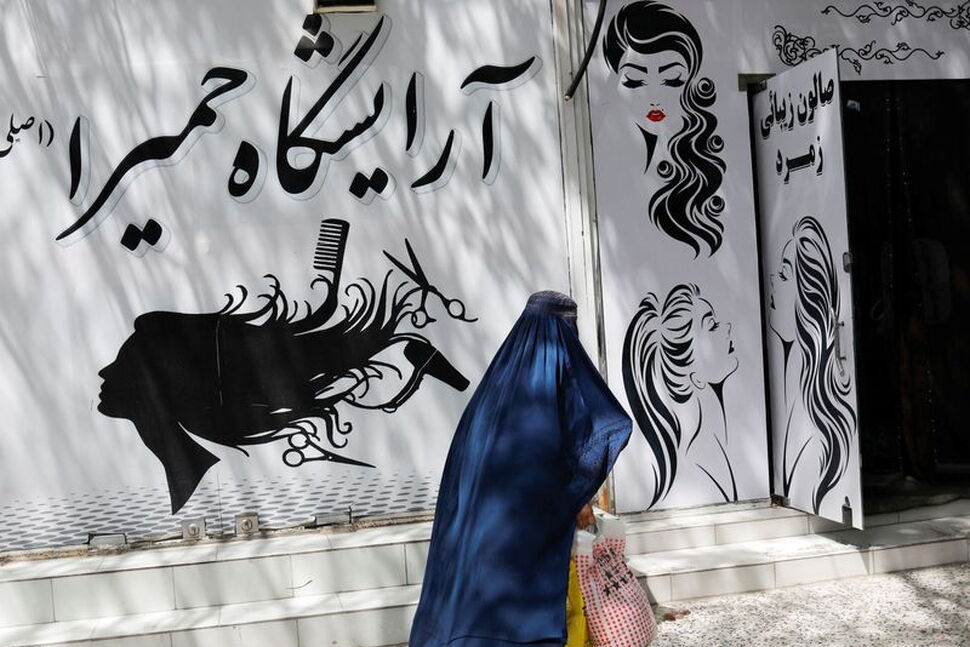
KABUL, June 8 (Reuters) – The United Nations mission in Afghanistan has expressed concern over the arrest and detention of women in a western province for allegedly failing to comply with “dress requirements” and urged Taliban authorities to treat all people equally.
The United Nations Assistance Mission in Afghanistan (UNAMA) did not specify how many women had been affected, though local media reported last week that at least 21 women and girls were detained in Herat province.
The Afghan Taliban did not respond to Reuters request for comment.
“UNAMA is concerned over multiple arrests and detentions of women in Herat…for alleged non-compliance with dress requirements, which raises serious human rights concerns,” UNAMA said in a post on X late on Sunday.
“We remind the de facto authorities that all people have the right to freedom of movement and that all persons, both women and men, are entitled to equality before the law,” it said.
The reported detentions follow a Taliban directive issued last week prohibiting women from appearing in public without what authorities described as a “proper hijab,” according to local media.
The directive warned that women who failed to comply with the dress code — including those showing their faces or wearing makeup — would face punitive measures, the reports said. Reuters was unable to independently verify the directive.
Since seizing power in Kabul in 2021, the Taliban has imposed sweeping restrictions on women and girls in the war-shattered country, including limits on access to education, employment and sport, drawing widespread international criticism.
A UNICEF report released in April had warned the country was at risk of losing more than 25,000 female teachers and health workers by 2030 if restrictions on girls’ education and women’s employment remain in place.
The Taliban says it respects women’s rights in accordance with its interpretation of Islamic law.
(Reporting by Mohammad Yunus Yawar, writing by Sakshi Dayal; Editing by YP Rajesh and Ros Russell)
Copyright 2026 Thomson Reuters.