


By Valerie Volcovici and Jason Lange
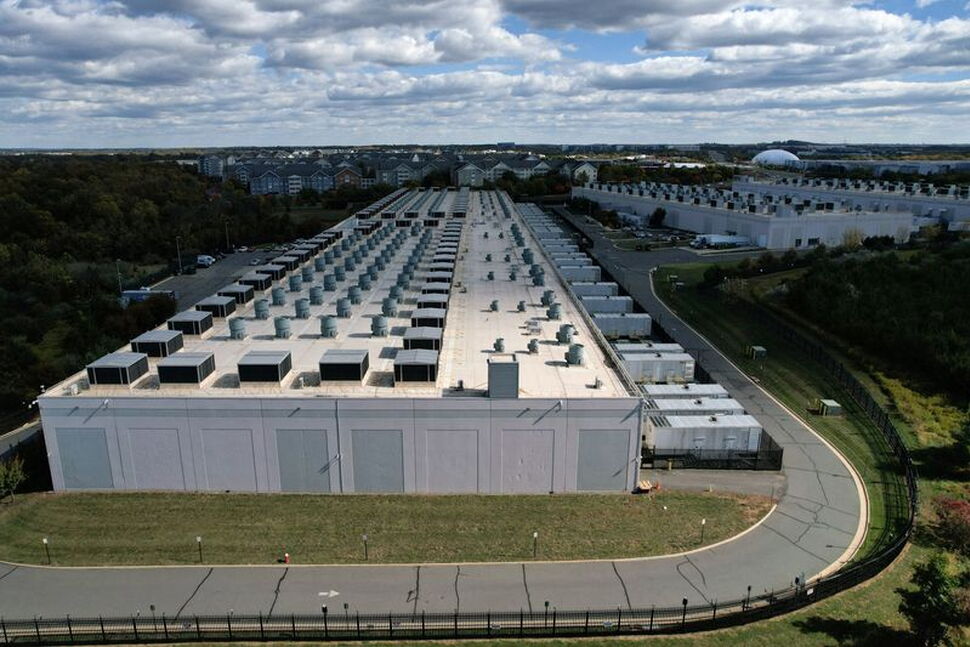
WASHINGTON, June 11 (Reuters) – Just one-in-three Americans approve of the fast pace of data-center construction that supports artificial intelligence and most would oppose building one in their own community, according to a new Reuters/Ipsos poll.
The poll results reflect widespread public unease over the data center boom in the United States, an issue high on the minds of voters and political campaigns ahead of the November 3 midterm elections.
U.S. President Donald Trump’s administration has prioritized rapid AI development, citing China as a competitive rival, and has directed federal agencies to accelerate permitting for infrastructure tied to the sector.
The six-day poll, which surveyed 4,531 people across the country and closed on Monday, showed just 33% of Americans agreed with a statement that it was mainly a good thing to build data centers at a rapid pace. Some 64% disagreed.
Support for rapid data center construction was a little higher among Republicans than among Democrats.
Some 57% of people surveyed – including two-thirds of Democrats and half of Republicans – also said they would oppose a data center being built in their community. Just 14% of survey takers said they were okay with a center being built near them, according to the Reuters/Ipsos poll.
There are 710 data centers now operating in the United States and another 1,062 planned projects, according to Cleanview, a research firm tracking data centers.
WORRIES ABOUT ELECTRICITY PRICES
AI algorithms require data centers to burn through copious amounts of electricity, and the projects often take up big swaths of land and consume large amounts of water without providing significant numbers of long-term jobs.
Ahead of the midterms, some Democrats – including progressive U.S. Senate candidate Graham Platner from Maine – are campaigning on the risk that data centers could drive up electricity prices, aiming to seize on Republican vulnerability over rising inflation, as the national average for gasoline has exceeded $4 a gallon for more than two months.
That message could resonate.
Some 77% of survey respondents – including similar shares of Republicans, Democrats and independents – said they were worried that AI would make electricity more expensive, according to the Reuters/Ipsos poll.
“That is extremely concerning for me,” said Mark Thompkins, one of the survey respondents, a 65-year old Republican who lives in a rural part of Hancock County outside of Indianapolis, and works as a senior project manager for a telecom company. “My electric bills are high as it is.”
The Indianapolis Metropolitan Development Commission will consider a proposed $2 billion data center development on the east side of the city by developer DC Blox, even after vocal opposition to the project during a packed hearing in April.
Retired South Bend resident Loren Smith, 72, another Republican survey respondent, said he is also concerned about the speed at which data centers and their infrastructure are being built, and the lack of transparency from developers and local officials about the projects.
“Politicians are being very secretive about what they are offering the [companies] as far as tax breaks,” said Smith, adding that data centers are among his top three issues in the mid-term elections.
Concerns over data centers relate to broader worries that the rapid expansion of AI could upend the labor market. Half of Americans fear that AI could put them or someone in their household out of work, the poll found.
Faced with public backlash, fourteen states have considered or are considering a moratorium on new data center projects.
(Reporting by Valerie Volcovici and Jason Lange in Washington; editing by David Gaffen)
Copyright 2026 Thomson Reuters.