


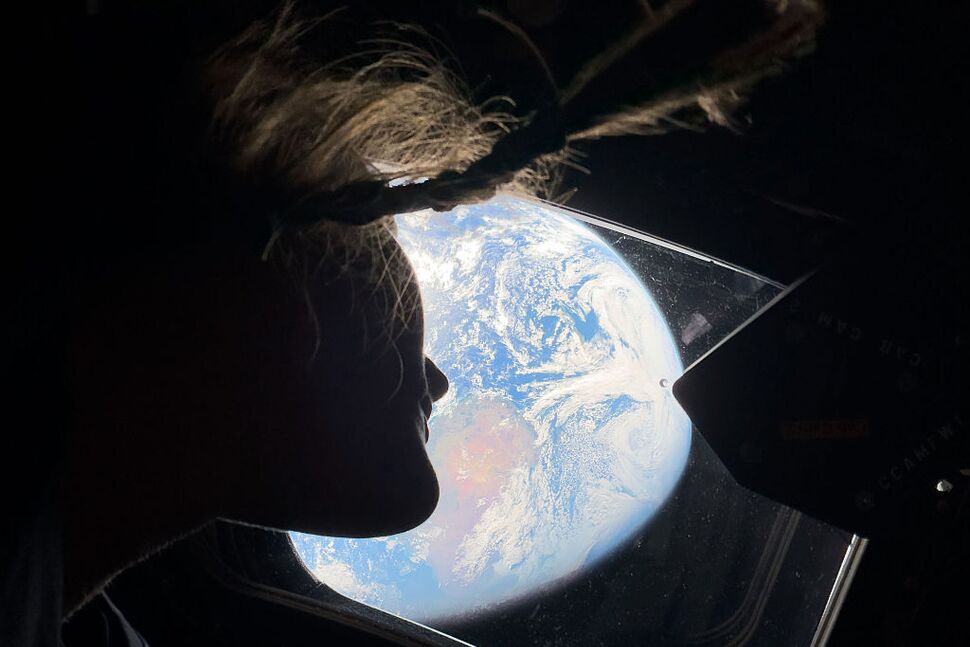
The astronauts aboard the Orion spacecraft are scheduled to return to Earth on Friday night, ending the first crewed mission to the moon in the 21st century.
The return to Earth is the most dangerous part of the Artemis II mission – the capsule will reenter the atmosphere and plunge toward Earth at nearly 25,000 mph, reaching up to 5,000 degrees.
The mission was groundbreaking overall. Artemis II set a distance record for human space flight, traveling 252,756 miles from Earth. It was also the first time a female astronaut, a Black astronaut and a Canadian astronaut went to the moon.
“I’ve been thinking about entry since April 3, 2023, when we got assigned to this mission,” Artemis II pilot Victor Glover said. “We have to get back. There’s so much data that you’ve seen already, but all the good stuff is coming back with us. There’s so many more pictures and so many more stories.”
Where Will It Land?
The Orion spacecraft will land in the Pacific Ocean off the coast of San Diego at around 8:07 p.m. Friday.
The location is the same as where the capsule from the uncrewed Artemis I mission landed in 2022. The capsule is designed to splash down in the ocean. The astronauts will be pulled from Orion using helicopters and brought to the USS John P. Murtha.
San Diego is a well-equipped location for landing. The area is home to a large naval base, with dozens of Navy ships ready to provide backup if needed.
How Will It Land?
The astronauts will start to prepare hours before landing.
They must tackle a long checklistincluding rearranging the capsule, packing away personal belongings, unfolding landing seats and donning their distinctive orange spacesuits.
Around 45 minutes ahead of splashdown, the European Service Module – which provides the Orion spacecraft with electricity, air and water, among other things – will detach from the capsule. The service module will perform a “final trajectory-adjustment burn” to angle the capsule on its flight path. The capsule will then begin its descent toward Earth.
The capsule will reenter Earth’s atmosphere 13 minutes before splashdown. As it descends to Earth, temperatures on the outside of the spacecraft will reach up to 5,000 degrees and it will experience a communication blackout as the capsule reaches peak heat.
Are There Concerns About the Landing?
The splashdown is considered the most dangerous part of the mission. For the landing to be safe and successful, the capsule must enter the entry corridor at the right angle and all 11 parachutes have to deploy. But most importantly, the heat shield – the layer lining the bottom of the capsule – must withstand the searing temperatures to prevent catastrophic damage and protect the craft and the astronauts inside.
“Every system we’ve demonstrated over the past nine days – life support, navigation, propulsion, communications – all of it depends on the final minutes of flight,” NASA Associate Administrator Amit Kshatriya said on Thursday. “We have high confidence in the system, in the heat shield, and the parachutes and the recovery system that we’ve put together.”
Live coverage of the Artemis II landing starts at 6:30 p.m.
Photos: Artemis II Mission

