


A flesh-eating New World screwworm was recently detected in Mexico just 25 miles from the United States border, according to the U.S. Department of Agriculture. The encounter was the closest to U.S. soil since at least last September, federal data shows.
The screwworm was found in a 5-year-old goat on Thursday in Mexico’s Coahuila state, which shares a border with southwestern Texas. U.S. officials have tracked 32 cases of the parasitic fly throughout the Mexican state, including 19 active cases, according to the USDA.
Overall, at least 26,216 screwworm cases have been identified across Mexico, and upward of 2,700 remain active, the USDA said. The department shares updates twice a week on any new cases found within 400 miles of the U.S. in Mexico, and it prominently notes on a webpage dedicated to the New World screwworm that the pest “is not currently present” stateside and that “the current risk to livestock, other animals, and people in the United States remains very low.”
But in recent months and years, the parasite has shown up closer to the U.S. than ever before. In April, Texas Agriculture Commissioner Sid Miller announced it had been found at a location in Mexico that was 60 miles from the U.S. border, CBS Texas reported at the time. Texas officials have warned outdoor enthusiasts about the parasite since late 2024when the state’s Parks and Wildlife Department issued an advisory saying the screwworm had recently been detected in a cow in southern Mexico.
Last year, the first case of a New World screwworm infestation in a human was confirmed in the U.S.the Department of Health and Human Services announced at the time. The case was detected in a traveler who had returned to Maryland from El Salvador, HHS spokesperson Andrew Nixon told CBS News in a statement. Maryland health officials later said the person had recovered, and investigators did not find evidence of transmission to other people or animals.
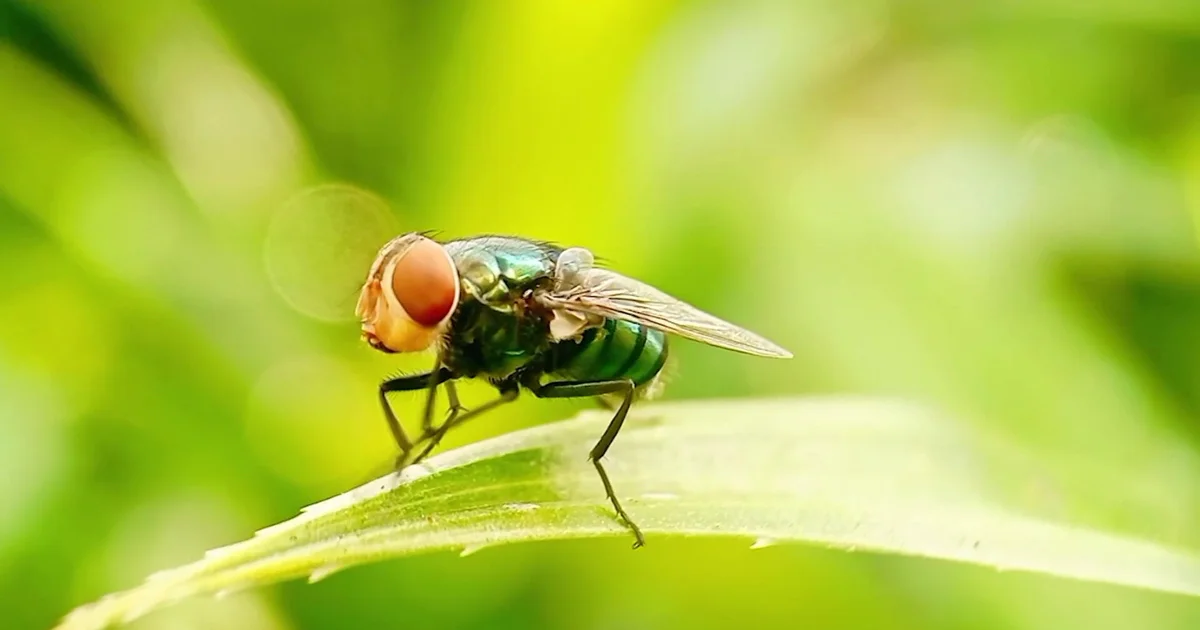
The New World screwworm is a parasitic fly that feeds on warm-blooded animals and people. It lays its eggs in open wounds or orifices like the eyes, ears, nose or mouth, which can then eat living tissue or flesh once they hatch, according to the Centers for Disease Control and Prevention. The screwworm is typically found in South America and parts of the Caribbean, but it has been detected farther and farther north in Central America and Mexico over the last three years, the CDC said.