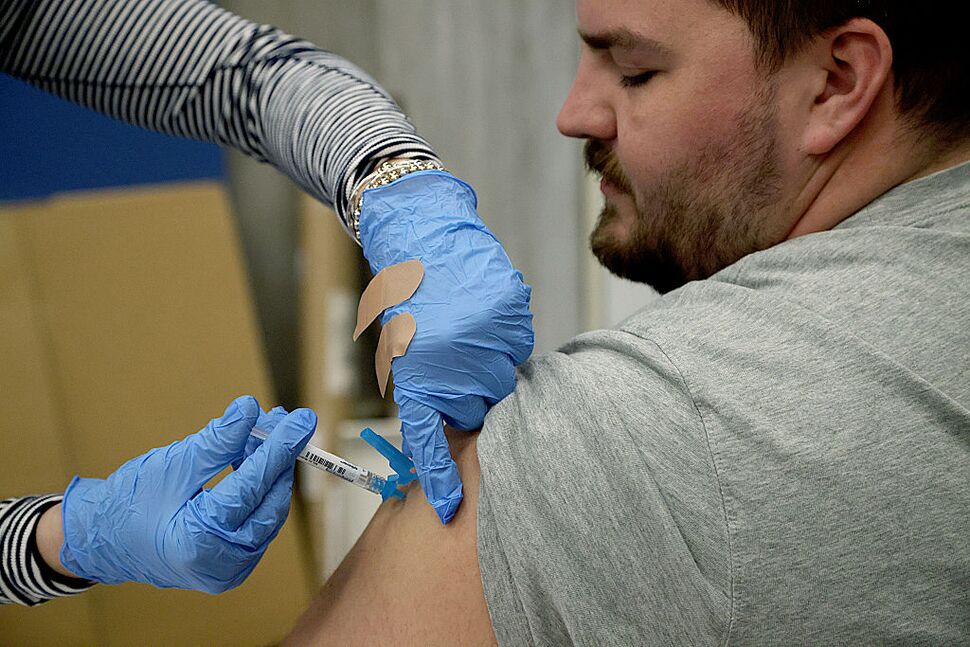
Flu season is on the downswing at the national level, but some states are still seeing high activity, according to the Centers for Disease Control and Prevention.
“Overall seasonal influenza activity remains elevated nationally but is decreasing in most areas of the country,” the CDC said in its most recent update from last week.
The agency estimates that there have been at least 27 million illnesses, 350,000 hospitalizations and 22,000 deaths from flu so far this season. As of this time last yearthere had been at least 41 million illnesses, 540,000 hospitalizations and 23,000 deaths from flu.
The CDC assesses the flu severity for children 17 and under as “high,” while adults and older Americans are classified as having “moderate” severity.
Sixteen states report high or very high flu activity: Oregon, Idaho, New Mexico, Colorado, Nebraska, Kansas, Iowa, Missouri, Arkansas, Michigan, Indiana, Ohio, Kentucky, Virginia, Tennessee and South Carolina.
So far this season, officials have reported 101 flu-related pediatric deaths. Among the children who were eligible to receive a flu shot and whose vaccination status was known, about 85% of those who died from the flu were not fully vaccinated.
Last flu season was the deadliest for U.S. children in more than a decade, with 280 fatalities.
This season’s flu shot is a mismatch for the most prominent flu strain, subclade K. More than 92% of the samples tested at the CDC since late September 2025 belonged to subclade K.
CDC data shows that this season’s flu shots reduce the risk of flu-related doctor visits and hospitalizations, but its effectiveness stands at one of the lowest rates in the last two decades.
Officials still recommend getting the shot as it offers some protection against severe infections.
“There is still time to get vaccinated against flu this season,” the CDC said last week.
A recent overhaul of the vaccination schedule by Health and Human Services Secretary Robert F. Kennedy Jr. meant that flu shots – as well as shots for respiratory syncytial virus, meningococcal disease and COVID-19 – were only recommended for children at high risk of serious illness or after consultation between doctors and parents. But a federal judge temporarily blocked the order this week, reimplementing the old recommendations of an annual flu vaccine for everyone aged 6 months and older.

Sign Up for U.S. News Healthcare of Tomorrow Bulletin
Your trusted source for critical insights and solutions-focused analysis.
By clicking “Sign Up”, you will receive the latest updates, including emails, from U.S. News & World Report and our trusted partners and sponsors, and you agree to our Terms and Conditions & Privacy Policy.