


A report released Tuesday by air quality monitor IQAir finds that only 14% of global cities met World Health Organization guidelines for air pollution levels last year – a 3 percentage point decrease from 2024.
The analysis of air quality data from over 9,000 cities across 143 countries, regions and territories found that only 9% met recommended air quality levels, including Puerto Rico, the U.S. Virgin Islands, Australia and Iceland.
While the mainland United States did not make that list, average air quality was significantly better than a majority of other countries measured. Ranked 24th out of 143, the U.S. was among the nations with cleaner air in 2025. This points to a trend of generally cleaner air across the country, although some U.S. cities reported higher levels of air pollution than the national average.
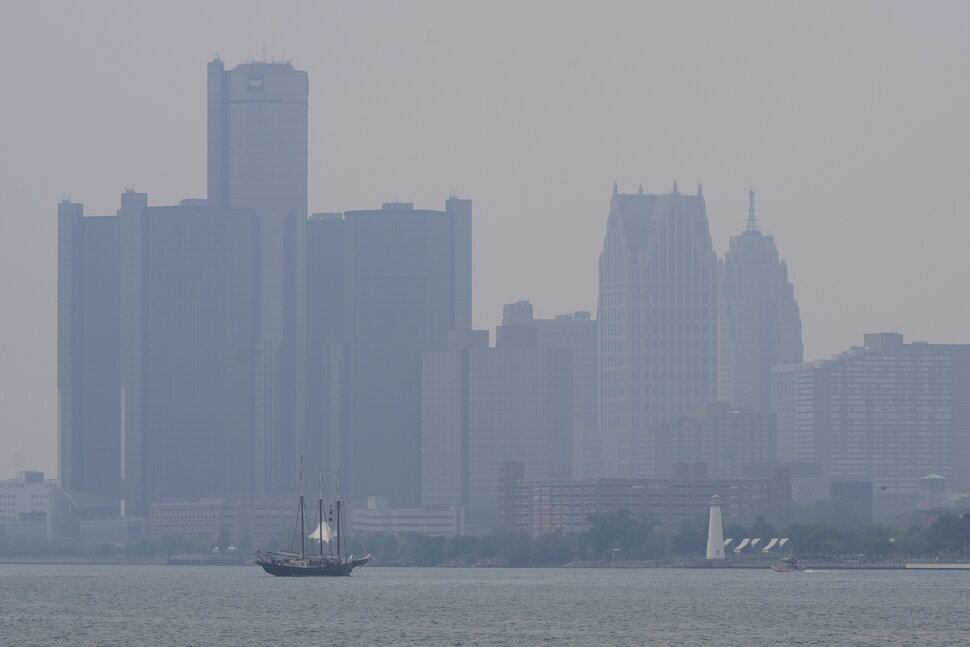
Unlike other forms of pollution, it’s not always obvious why the air appears hazy on certain days. Air pollution is sometimes harder to notice, but that doesn’t mean it poses any less danger to public health.
Typically a mixture of hazardous substances, including vehicle exhaust, wildfire smoke and other microscopic particles 2.5 micrometers or smaller, air pollution can be inhaled and cause a variety of health problems. The ratings of fine particulate matter correspond to their concentration in micrograms per cubic meter. According to the National Institute of Environmental Health Scienceseven limited exposure to higher levels of air pollution is associated with respiratory issues, more hospital visits and “an increased risk of death.”
In 2013, WHO classified air pollution as carcinogenic and more recently announced that 99% of the global population lives in places where air quality is below recommended guidelines.
Seattle was the cleanest major U.S. city with a rating of 4.5, which is within the WHO air quality recommendation. The overall cleanest place in the U.S., however, was Lihue, Hawaii, which saw an average 2025 air quality rating of only 1.4.
These figures may seem good news for Americans, given the country’s average air quality rating of 7.3 for fine particulate matter. Because it’s an average, air quality some days of the year can be much worse and some days will be better. While annual averages hide weekly changes, IQAir Senior Air Quality Science Manager Christi Schroeder said they’re effective at tracking chronic risks. “A city might have a ‘safe’ annual average even if it suffered through two weeks of ‘hazardous’ smoke,” she said. “You have to look at both the daily extremes and the yearly trend” to grasp the full health impacts.
The Los Angeles region had the worst overall U.S. air quality during 2025, with an average rating above 14 in both the south and east sides of the area. The Southern California wildfires in January 2025 likely played a part. Lasting 24 days and burning through nearly 38,000 acres of land, the resulting smoke likely affected some 20 million people and is still impacting air quality a year later, NPR reports.
Wildfires, which have become more frequent and intense due to the effects of climate change, had a “major role in degrading global air quality” according to the IQAir report. New York City saw the effects of this in August 2025, when smoke from Canadian wildfires gave the city the “ninth-worst air quality in the world” at the time, ABC News reported. Canada was ranked the most polluted country in North America for 2025, according to IQAir.


Sign Up for U.S. News Decision Points
Your trusted source for breaking down the latest news from Washington and beyond, delivered weekdays.
By clicking “Sign Up”, you will receive the latest updates, including emails, from U.S. News & World Report and our trusted partners and sponsors, and you agree to our Terms and Conditions & Privacy Policy.
On days when air quality is especially poor, the American Lung Association recommends keeping windows and doors closed, reducing time outdoors and wearing a mask.
Driving electric vehicles, reducing energy usage and avoiding starting fires can combat future spikes in air pollution, according to AirNow.gov. For live air quality updates and more tips to stay safe, IQAir offers free, public air quality tracking and other resources to combat air pollution.