


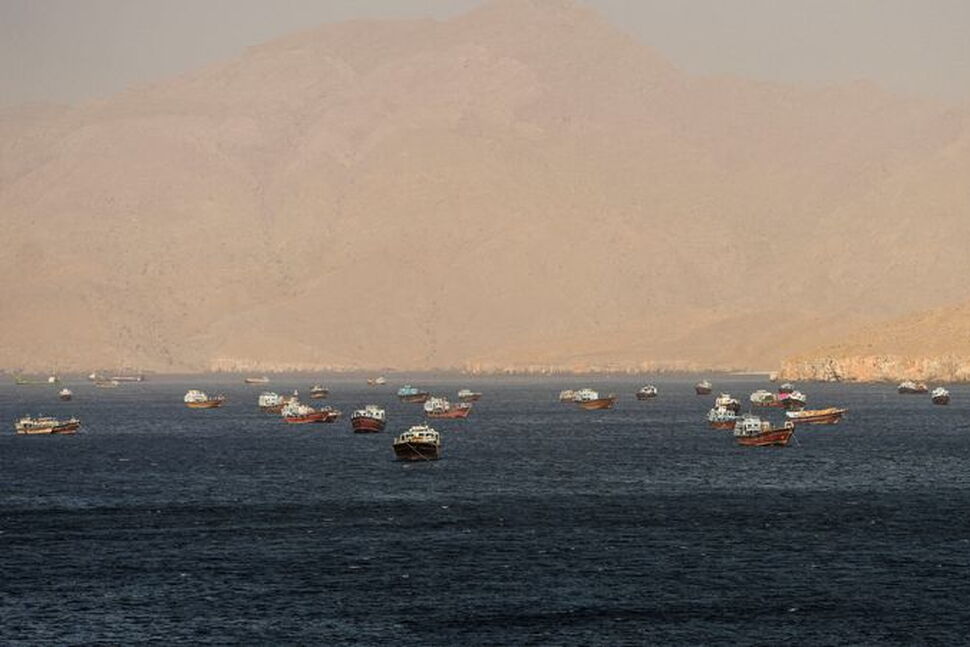
June 8 (Reuters) – The Strait of Hormuz will be open but under new conditions to be set by Iran and Oman, including a transit fee, Iran’s ambassador to Moscow was quoted as saying on Monday.
The U.S.-Israeli war on Iran has largely cut oil flows via the strait, which before the conflict saw one-fifth of the world’s oil pass through. Several tankers have managed to leave the Gulf recently, but oil and liquefied natural gas flows are still severely constrained.
“Of course, this strait will be open, but with new conditions to be determined by the Iranian and Omani authorities,” Ambassador Kazem Jalali told the Russian newspaper Izvestia in an interview published on Monday.
“We understand that Iran and Oman provide certain services related to this strait. And fees will be charged for those services,” he said without elaborating.
Iran has asserted that a permanent peace deal should allow it to demand fees for ships passing through the strait, which would vary depending upon the type of ship, its cargo and prevailing conditions.
That position is vehemently opposed by U.S. President Donald Trump. In late May, the U.S. warned Oman not to get involved in any effort with Iran to impose a toll and Treasury Secretary Scott Bessent said Oman’s ambassador had told him there were no plans to impose such tolls.
On Monday, Israel said it struck military targets in western and central Iran, even after Trump reportedly told Israeli Prime Minister Benjamin Netanyahu to refrain from further attacks.
Japan, which imported about 95% of its oil needs from the Middle East before the war, said it did not pay a fee after a Japan-linked crude oil tanker passed through the waterway in May.
(Reporting by Ekaterina Golubkova in Tokyo; Editing by Edwina Gibbs)
Copyright 2026 Thomson Reuters.
Photos You Should See – April 2026

