


The war in Iran drags on, and Americans grapple with SNAP changes and AI implications. I’m Sidney Slon, and here’s all the news we covered this week.
Monday
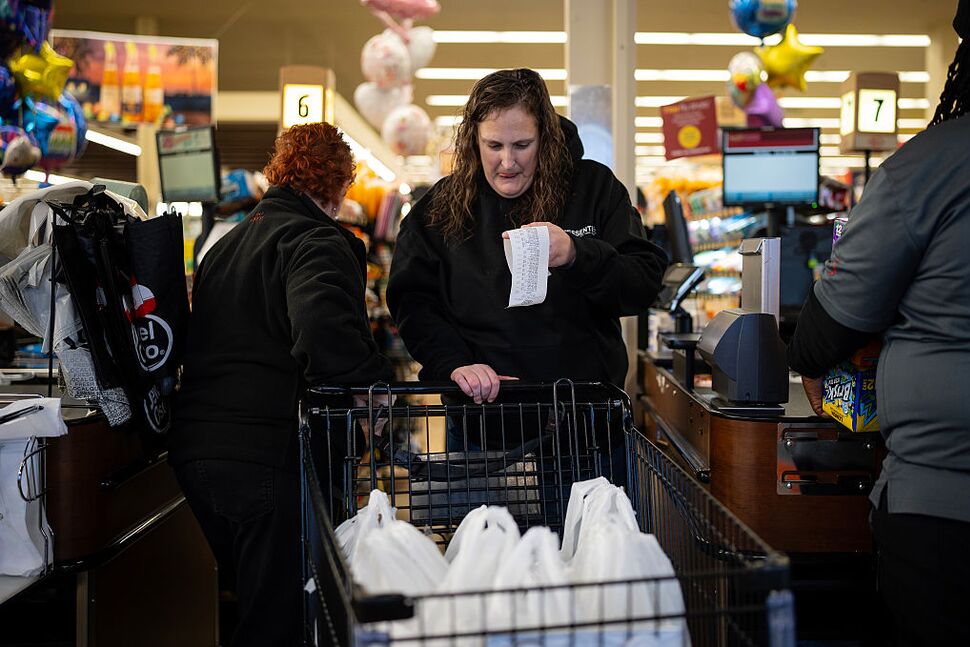
Our Cecelia Smith-Schoenwalder reviewed changes made to the Supplemental Nutrition Assistance Program, which took effect this month in the wake of President Donald Trump’s One Big Beautiful Bill Act.
Created to help low-income Americans afford groceries, SNAP will now require a wide range of recipients to prove they worked 80 hours per month or engaged in another approved activity to qualify. Some states are also placing new limits on eligible foods, in line with long-running calls from Robert F. Kennedy Jr. and the “Make America Healthy Again” movement to ban items like soda and candy from SNAP purchases.
Experts say the changes could lead to more food insecurity and higher administrative costs, although some states like Texas have already begun to implement them.
Tuesday
A new poll from Quinnipiac University detailed Americans’ usage and trust in AI technology. Olivier returned to discuss the results.
In a paradoxical turn of events, Americans are relying on AI now more than ever for tasks like research, school and work projects, and image creation – yet only 21% of survey respondents said they trust the technology most or almost all of the time. A majority of respondents also said they thought AI would cause more harm than good in their day-to-day lives and worsen the job market, an increase from last year’s results.
Only time will tell how Americans’ conflicting opinions of the technology will impact future policy decisions.
Wednesday
Midweek, Olivier examined U.S. allies’ lack of support for the ongoing war in Iran. France, Spain, Italy and Poland have rejected requests from the Trump administration for assistance in the Middle East, including barring or limiting U.S. military planes on their air bases, as global leaders seek to distance themselves from Trump.
It’s a stark contrast to the “coalition of the willing” in 2003, when some European allies more readily supported the Bush administration in the invasion of Iraq. These rejections may point to a future with less American sway on the global stage, which could allow China and Russia to gain influence.
Thursday
Olivier looked at key outstanding questions about the Iran conflict and how Trump’s address to the nation, well, addressed them.
Victory or ongoing war? Referring to the Strait of Hormuz, which is integral to global oil trade, Trump said the “hard part is done” and it was up to other countries to reopen it. He also said the U.S. had completely “obliterated” all of Iran’s nuclear facilities.
Trump was less clear on the chances of a ground invasion (he didn’t address it) and when the war might end. He declared Iran “has been eviscerated and essentially is really no longer a threat” but also talked of strikes coming up in the next few weeks that will send Iran “back to the Stone Ages.”


Sign Up for U.S. News Decision Points
Your trusted source for breaking down the latest news from Washington and beyond, delivered weekdays.
By clicking “Sign Up”, you will receive the latest updates, including emails, from U.S. News & World Report and our trusted partners and sponsors, and you agree to our Terms and Conditions & Privacy Policy.