


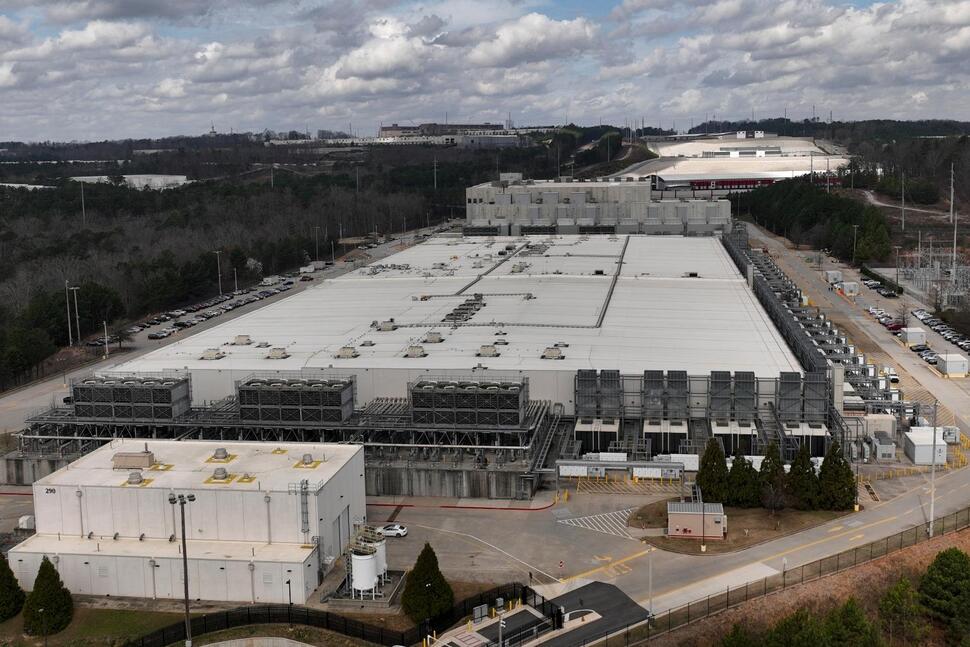
PORTLAND, Maine (AP) — Maine’s Democratic governor on Friday vetoed what would have been the country’s first state moratorium on the construction of data centers.
The bill passed by the Democrat-controlled state legislature would have instituted a moratorium for more than a year on data centers above a certain size and created a special council to help towns vet potential projects. But Gov. Janet Mills said she vetoed the bill because it failed to include a carve out for a project in the town of Jay that would bring needed jobs to a community that has struggled since the closure of a local mill.
Proposals to impose a moratorium on data centers have been introduced in at least a dozen states, but other than Maine’s, none had even passed a legislative chamber. Such bills have faced opposition from data center developers, chambers of commerce, tech giants, labor unions and electric utilities.
Mills said she plans to issue an executive order to create a council to examine the impact of data centers.
“I believe it necessary and important to examine and plan for the potential impacts of large-scale data centers in Maine, as the use of artificial intelligence becomes more widespread. Given the serious conversations about data centers here and around the country, I believe this work should commence without delay,” she said in a statement.
A handful of counties and municipalities in the U.S. have imposed a moratorium, and opponents of moratoriums at the state level say municipal officials are best suited to decide whether to allow a data center in their towns or not.
Mills’ decision to veto the Maine moratorium drew backlash from her own party, including from the Democratic state representative who sponsored the bill and from groups that encourage a conservative approach to data centers. Rep. Melanie Sachs, the bill sponsor, said in a statement that the governor is “resisting the will of a majority of Maine people” with the veto.
“While a veto might protect the proposed data center project in Jay, it poses significant potential consequences for all ratepayers, our electric grid, our environment, and our shared energy future. This decision is simply wrong,” Sachs said.
Resistance to data center proposals has risen swiftly in many communities amid high-level support for artificial intelligence, tech firms and the data centers they are building. President Donald Trump’s administration and many governors tout them as a top economic and national security priority that are essential to winning the artificial intelligence race with China.
Levy reported from Harrisburg, Pennsylvania.
Copyright 2026 The Associated Press. All rights reserved. This material may not be published, broadcast, rewritten or redistributed.
Photos You Should See – April 2026

