


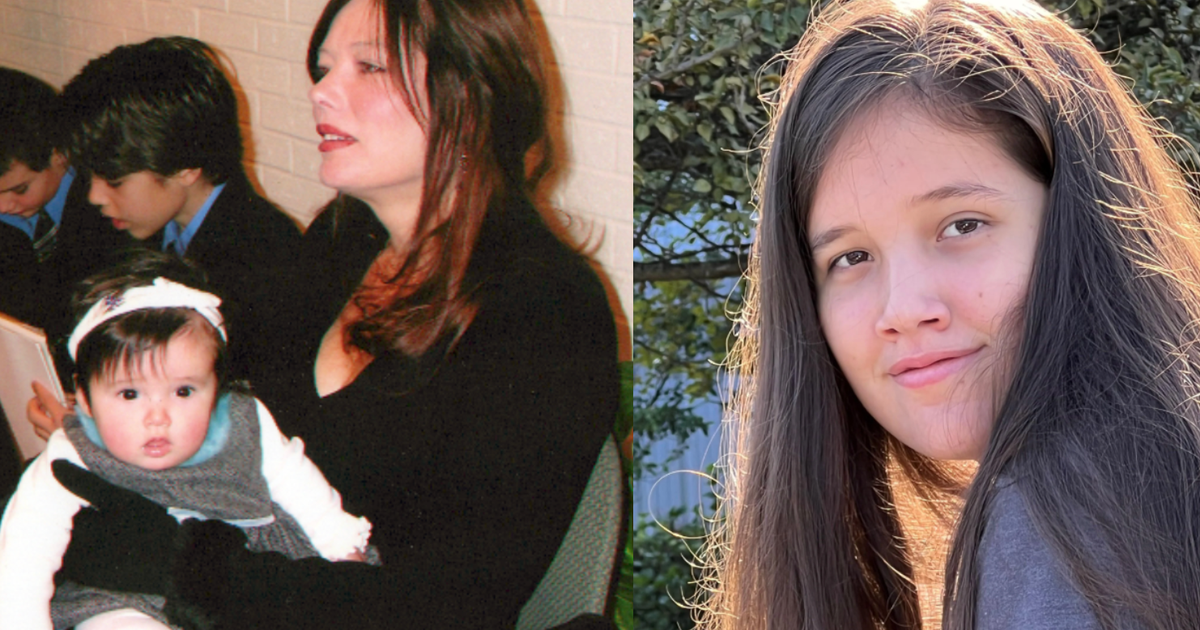
At 18, Lucia Adarve had been to more doctors than most people see in a lifetime. Things had been complicated for her since birth: She missed milestones, had seizures that led to collapses and concussions, and struggled with communication and schoolwork. She had a hard time balancing and reacted poorly to stimuli like loud noises or bright lights.
Her mother, Lisa, was determined to find out what was wrong. Over the years, Lucia amassed a long list of diagnoses, including epilepsy, lupusfibromyalgia, ADHD and dyslexia. But no label fully aligned with her symptoms, and no therapies or treatments seemed to help.
“Her stack of medical records was getting bigger and bigger,” said Lisa. “I thought, ‘There’s no way this one child has all of these labels and issues. There has to be something underlying.'”
Add Adarve 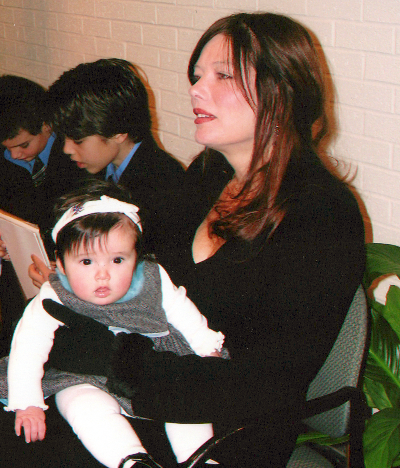

“No one listened to me”
Lucia’s condition upended her life from an early age. After she failed to thrive at multiple schools, Lisa, a former Montessori teacher, began homeschooling her in third grade. In addition to teaching Lucia a standard curriculum, she came up with out-of-the-box solutions, like teaching her to knit to develop fine motor skills and taking her horseback riding to improve her balance.
The efforts expanded outside the classroom. Lucia’s siblings liked to climb over a wall in the backyard to play in the woods around their home. Lisa propped up a ladder that Lucia could climb, and made the other kids use it too.
Despite her family’s support, the circumstances took a toll on Lucia. She experienced fainting spells that sometimes led to concussions and injuries, and occasionally had anemia. She became pessimistic about appointments and proposed therapies, and while she loved her family, she was most likely to spend time with her service dog.
“No one listened to me. I didn’t see doctors as a good thing. I saw them as something I went to occasionally that didn’t do anything,” Lucia said. “I told my mom that my dog did more for me … than any of the doctors I spent time going to.”
Add Adarve 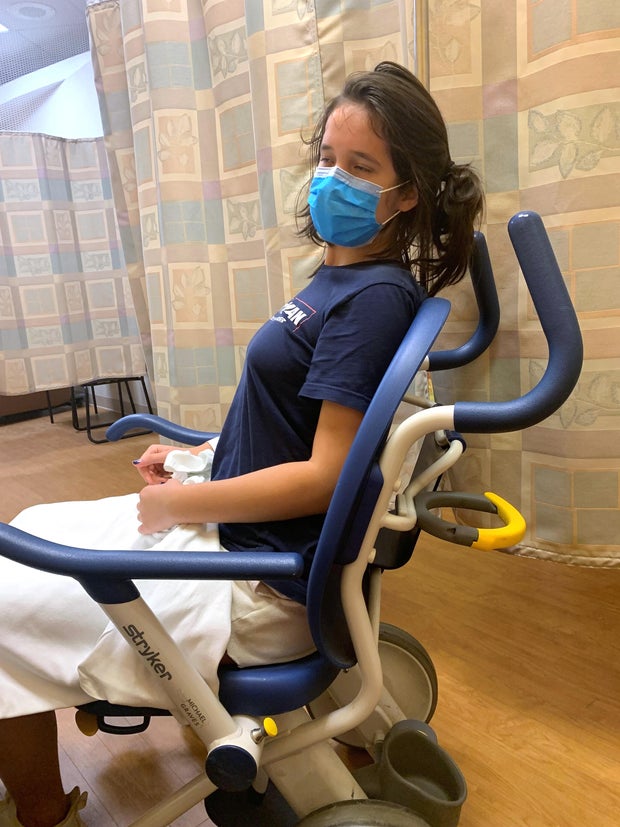

Identifying a rare condition
In 2025, Lisa and Lucia visited Dr. Todd Arthur at Cincinnati Children’s Hospital Medical Center. The neurologist “spent a ton of time listening,” Lisa recalled. As the mother and daughter recounted “pages and pages of labels and random diagnoses,” he started researching, Lisa said.
“I’d never seen a doctor take that much interest,” Lucia said. Arthur offered “a lot of referrals,” Lucia said, including one to the Cleveland Clinic’s Undiagnosed Disease Clinic. Dr. Adnan Alsadah, the founder and director of the clinic, said the office aims to help the “many patients in the United States and globally who spend many, many years reaching a diagnosis and going from specialist to another, hospital to another.”
“On average, it’s more than 10 years until the diagnosis” for patients with ultra-rare conditions, Alsadah said. The clinic aims “to solve this diagnostic odyssey by utilizing the newest technologies,” including whole genome sequencing, which allows doctors to study the entirety of a person’s DNA sequence.
Lucia and Lisa spent a day undergoing a screening questionnaire at the clinic. Then Lucia provided a genetic sample, which was sent to a specialized laboratory to be analyzed for genetic variants. Four weeks later, the Adarves received a call: The clinic had a diagnosis.
“I knew something was different”
The test had found a mutation on Lucia’s PPP2R5D gene, meaning she had an incredibly rare condition called called PPP2R5D-associated neurodevelopmental disorder, better known as Jordan syndrome. There have been less than 500 confirmed cases of the condition worldwide, Alsadah said.
Jordan syndrome is a neurodevelopmental disorder. Dr. Wendy Chung, a pediatric medical geneticist and researcher, said people with Jordan syndrome may have a large head or identifiable facial features. The condition affects children’s development, and may cause difficulties with movement, speech, reading or writing. Some children, like Lucia, need modified instruction. Others never learn skills at all, Chung said. The disorder can also be associated with seizures, autism and ADHD. As patients age, they may experience parkinsonisms, or movement problems similar to those caused by Parkinson’s disease, Chung said.
Lisa said she was happy to receive the diagnosis.
“It finally felt like, wow, these things were real. I wasn’t being overprotective. I knew something was different,” she said.
Lucia met the news with more mixed emotions.
“I felt really happy about it for a month or two,” she said. “Then I started to feel slightly annoyed, because it frustrated me that it took 18 years to get an answer.”
“A clear plan for moving forward”
Having a diagnosis has helped create “a clear plan for moving forward,” Alsadah said. Medications have reduced Lucia’s seizures, and a multidisciplinary team from the Cleveland Clinic put together a management plan for her other symptoms.
Lucia has also connected with advocacy groups that push for research into Jordan syndrome and potential treatments for it, and support groups with members who can relate to her experience. She is also part of a clinical trial that is working to determine if a medication used to treat a different neurodevelopmental condition can help Jordan syndrome patients.
Lisa said that her daughter has also started to behave more like her bubbly, childhood self.
Lucia Adarve 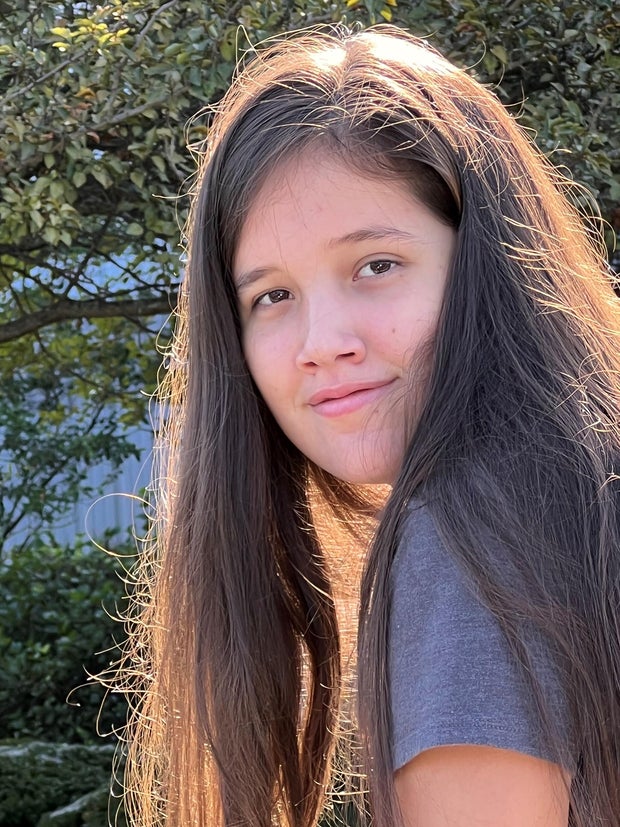
“She knows what she has, so she can kind of stand up and advocate for herself,” Lisa said. “She’s getting back to who she was. She’s helping others, she’s making friends.”
Lucia said she has mostly been relieved to stop spending so much time seeing doctors. She is working toward a degree in criminal behavioral psychology. She is one of a handful of Jordan syndrome patients who can function relatively independently, which she attributes to her mother’s efforts.
“I was extremely lucky to get my mom,” Lucia said. “She’s one of the best people I know. She worries way too much, and she is the best person to have during this.”