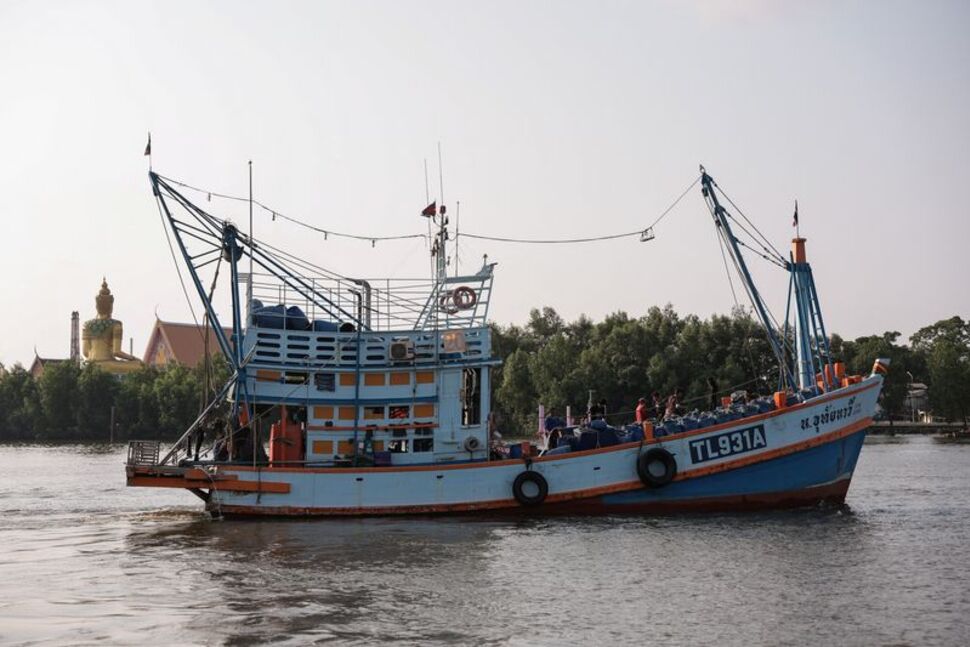
SAMUT SAKHON, Thailand, March 26 (Reuters) – A surge in diesel prices triggered by the U.S.-Israeli war on Iran is pushing Thailand’s multibillion-dollar fishing industry towards a standstill, with fishermen warning that their boats could be idled within days unless the government steps in.
At the country’s largest fishing port in a central province along the coast of the Gulf of Thailand, over half of the fishing trawlers are already docked and those still operating would likely stop work within days, said Jumpol Kanawaree, president of the Samut Sakhon Fishmonger Association.
“After April 1, you may see that there may be no fish sold because the fishing boats can no longer bear the cost of their crewmen, their families,” he said. “They won’t be able to make ends meet.”
In 2024, Thailand exported $7 billion worth of fishery products to destinations including the U.S., Japan and China, government data showed.
The Thai Fisheries Department did not immediately respond to a request for comment, although Finance Minister Ekniti Nitithanprapas on Wednesday said the government was preparing a package to support fishermen, including supplying B20 biodiesel and palm oil to prevent further price surges.
Thailand has about 100 days of oil reserves, according to officials.
Thai diesel prices reached 38.94 baht ($1.19) per litre on Thursday after government subsidies ended, rising from 29.94 baht per litre in February before the conflict in the Middle East erupted.
If diesel prices touched 40 baht a litre, fishing trips would become unviable and some boat crews are already adjusting their trips to conserve fuel, fisherman Boonchoo Lonluy said.
“Now that the price has gone up, we’ve been trying to sail slower, which in turn resulted in a lower catch,” he said.
“We can’t live like this.”
Around 800 tons of fish from 22 coastal areas are sold at Samut Sakhon’s fish market each day, Jumpol said, adding that the current fuel crunch was the worst crisis in decades, even more crippling than the COVID-19 pandemic.
At dawn this week, some boats – running on previous fuel reserves – were seen bringing in their catch at the pier where fishermen packed shrimp, mackerel and squid.
“If we can’t take more hits, we have to dock because of the fuel price,” fisherman Prariyes Maneesumphan said.
(Writing by Chayut Setboonsarng, Editing by Devjyot Ghoshal and Thomas Derpinghaus)
Copyright 2026 Thomson Reuters.