


By Ismail Shakil and Timothy Gardner
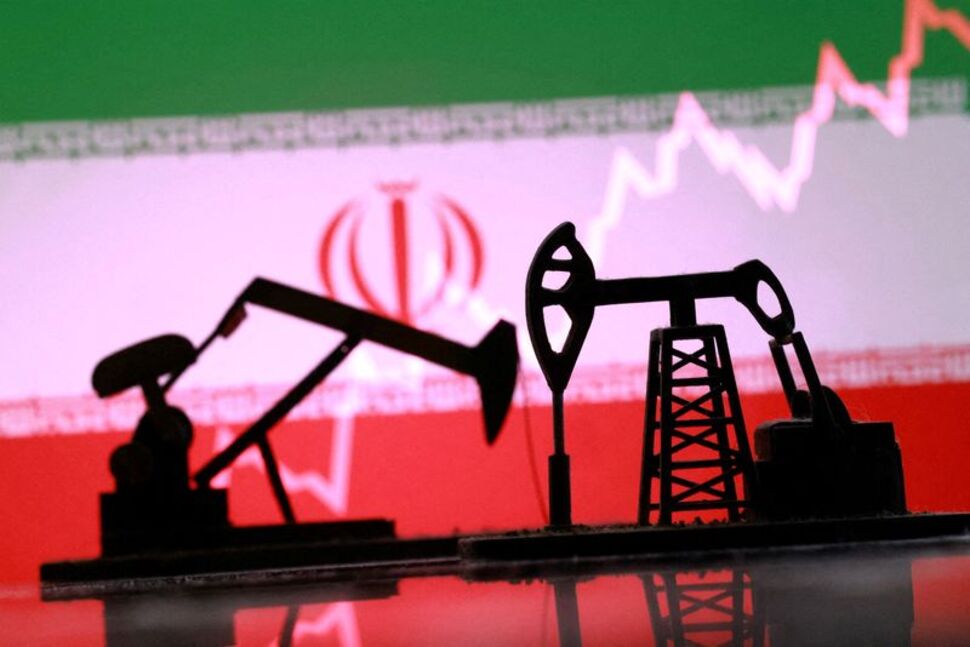
March 20 (Reuters) – The Trump administration waived sanctions on the purchase of Iranian oil at sea for 30 days on Friday in its latest attempt to ease oil prices that have been driven up by the U.S.-Israeli war on Iran.
The waiver will bring some 140 million barrels of oil to global markets and help relieve pressure on energy supply, Treasury Secretary Scott Bessent posted on X.
The move reflects White House worries that the surge in oil prices after nearly three weeks of U.S. and Israeli strikes on Iran will hurt U.S. businesses and consumers ahead of the November midterm elections, when President Donald Trump’s fellow Republicans hope to retain control of Congress.
THIRD SANCTIONS WAIVER DURING IRAN WAR
The license, posted to the Treasury Department’s website after market hours, says Iranian oil can be imported into the United States under the waiver when necessary to complete its sale or delivery.
The U.S. has not meaningfully imported Iranian oil since Washington imposed measures after the 1979 revolution. It was unclear whether any Iranian oil would end up in the country as a result of the waiver.
Cuba, North Korea and Crimea are among regions excluded from the license, which will remain in effect until April 19.
The move is expected to benefit China, the top buyer of Iranian oil. Energy Secretary Chris Wright said supplies could get to Asia within three or four days and hit the market after being refined over the coming month and a half.
It was the third time the Treasury Department has temporarily waived sanctions on oil from U.S. adversaries in a little more than two weeks. The moves are part of the administration’s attempts to tame energy prices that have soared above $100 a barrel to the highest levels since 2022.
The U.S. previously eased sanctions on Russian oil and on Friday issued a general license allowing the sale of Iranian crude oil and petroleum products loaded on vessels by Friday.
“In essence, we will be using the Iranian barrels against Tehran to keep the price down as we continue Operation Epic Fury,” Bessent said.
Bessent had telegraphed the move in an interview with Fox Business on Thursday, saying the release of the sanctioned Iranian oil into global supplies would help keep oil prices down for 10 to 14 days.
He said on Friday that Iran will have difficulty accessing any revenue generated by the move and Washington will maintain maximum pressure on Iran and its ability to access the international financial system.
Oil prices have jumped about 50% since the U.S. and Israel launched their attacks on February 28. Tehran has responded with attacks on Israel and Gulf states that host U.S. bases.
Vital energy infrastructure in Iran and neighboring Gulf states has been attacked, and Iran has effectively closed the Strait of Hormuz, conduit for some 20% of the world’s oil and liquefied natural gas.
In its effort to tame oil prices, the Trump administration on Wednesday announced a 60-day waiver of the Jones Act shipping law, temporarily allowing foreign-flagged vessels to move fuel, fertilizer and other goods between U.S. ports.
Energy analysts including Brent Erickson, a managing principal at Obsidian Risk Advisors, have said the administration’s efforts to control prices will not have a meaningful impact until the strait is opened to vessels.
“The easing of sanctions concerns about the rapid depletion of Washington’s economic toolkit,” to dampen oil prices, Erickson said. “If we’ve reached the point of loosening sanctions on the country we are at war with, we’re really running out of options.”
The U.S. issued a 30-day waiver for countries to buy sanctioned Russian oil stranded at sea after a 30‑day license on March 5 specifically for India to buy Russian oil.
Mark Dubowitz, CEO of the Foundation for the Defense of Democracies, a nonprofit research institute considered hawkish on Iran, praised the decision.
“We’ve worked on sanctioning Iran’s oil industry for years. This is a smart move … to help win the fight against the regime,” Dubowitz said on X.
(Reporting by Ismail Shakil and Timothy Gardner; Additional reporting by Jasper Ward and Kanishka Singh; Editing by Chris Reese and William Mallard)
Copyright 2026 Thomson Reuters.