


For the 20th consecutive year, global freedom declined in 2025.
That bleak conclusion comes from the nonpartisan, nonprofit Freedom House’s newly released 2026 Freedom in the World report.
“Even as 2026 has brought new opportunities for those living under authoritarian rule from Venezuela to Iran, the last 20 years have been a dark period for global freedom,” said Jamie Fly, chief executive officer of Freedom House.
What’s the reason for the drop? The report’s title, “The Growing Shadow of Autocracy,” gives a hint. More autocratic regimes have emerged in the past 20 years, leading the number of countries considered “not free” to increase from 45 to 59. The world’s autocracies “have become more repressive at home and more aggressive abroad,” the report says. Democratic governments have long united to stop the spread of authoritarian rule, but recent backpedaling on foreign aid and participation in international organizations – mainly by the U.S. – has distanced the world from freedom.
Freedom House rates 195 countries and 13 territories according to the categories: “not free,” “partly free” and “free.” It also scores the political rights and civil liberties offered by each country, 54 of which experienced declines this past year.
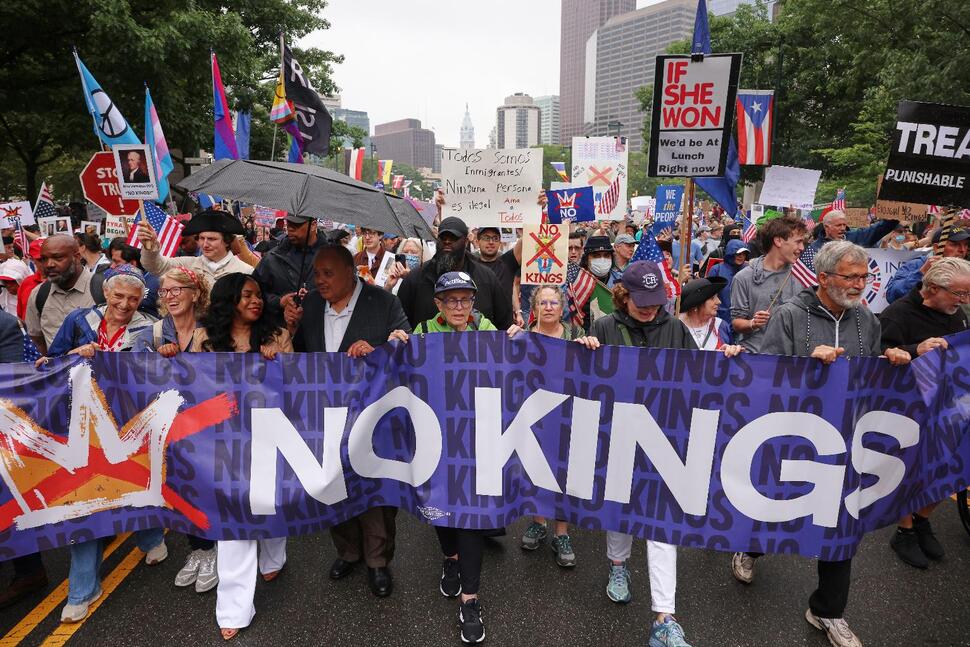
The U.S. experienced the sharpest decline in freedom score out of all 88 countries in the “free” category, resulting in its lowest score since Freedom in the World began publishing 0-100 scores in 2002. Why the negative change? Growing legislative dysfunction, executive dominance and limits to free expression are to blame, as well as the Trump administration’s attempts to dismantle anticorruption safeguards, the report explains.
Zooming in on the results, Finland is the only country with a perfect score for freedom, political rights and civil liberties, while Russian-occupied territories of Ukraine are the only places to score in the negative. Tibet and South Sudan have freedom scores of zero. Guinea-Bissau, Tanzania, Burkina Faso, Madagascar and El Salvador had the largest one-year score declines.
The report outlines three trends that characterize the past 20 years of global freedom decline. First: The “partly free” category shrank significantly, with 19 countries dropping to the “not free” category. Second: Armed conflicts, coups, erosion of democratic institutions and crackdowns on rights by authoritarian leaders were the common factors driving the largest freedom declines. Third: the freedoms of media, personal expression and due process suffered the largest declines in the past two decades.
Still, 35 countries’ freedom scores improved this past year – including Bolivia, Fiji and Malawi, which moved up from “partly free” to “free” status. Freedom House attributes these gains to “competitive elections, growing judicial independence and the strengthening of the rule of law.” Syria, Sri Lanka, Bolivia and Gabon had the largest overall increases in freedom score.
How can the world progress toward a freer future? Yana Gorokhovskaia, Freedom House’s research director and coauthor of the report wrote that nations with established democracies could help countries working toward freedom “in part through funding and diplomatic support for frontline human rights defenders and nongovernmental organizations.”
“Democratic governments and societies must demonstrate their solidarity with those seeking freedom,” she wrote.