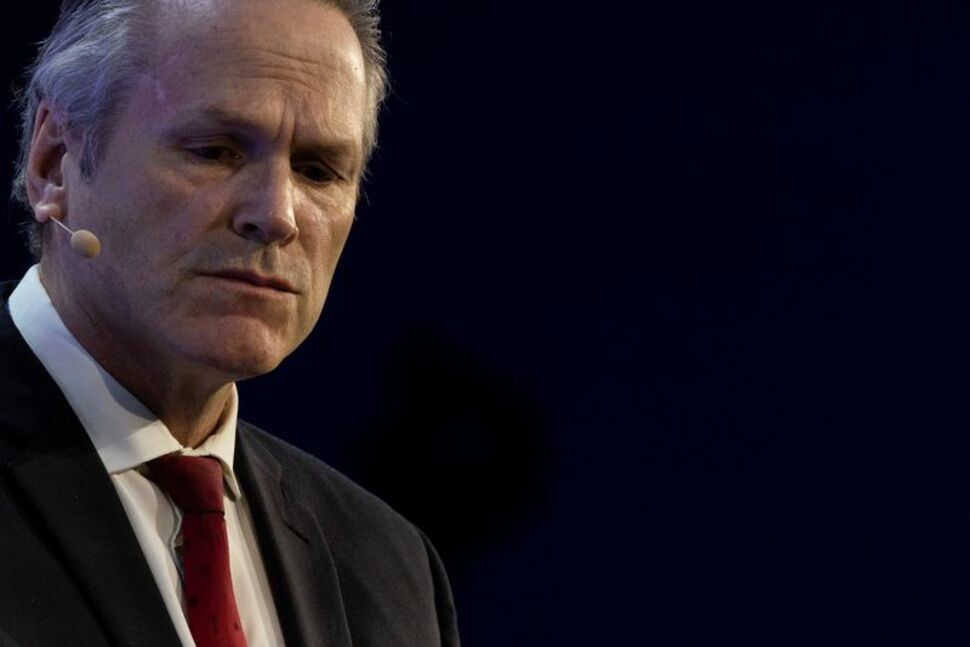
April 30 (Reuters) – Alaska Governor Mike Dunleavy on Thursday vetoed a major election reform bill, citing “significant operational burdens” and unspecified legal challenges.
The bill, at least a decade in the making, sought to allow absentee and other voters to track their ballot and see when it had been received and counted.
It also sought to expand acceptable voter identification, modify voter roll maintenance, change the absentee ballot timeline and create a rural community liaison position. Alaska is the least densely populated state in the U.S. and the largest by area.
Alaskans are set to hold elections this year for governor, lieutenant governor, the U.S. Congress and the state legislature.
The legislation had won bipartisan support in the state’s House of Representatives and Senate.
In a statement, the Republican governor expressed support for parts of the bill, but said the legislation contained legal challenges. He did not elaborate on what they were but said the bill as a whole would cause “significant operational burdens” and possibly jeopardize Alaska’s election process.
“The Division of Elections warns such changes would be extremely difficult, if not impossible, to implement securely and reliably in advance of the 2026 elections,” Dunleavy wrote in a letter to the Senate’s president.
The bill was sponsored by the state’s Senate Rules Committee. The committee’s chair, Bill Wielechowski, a Democrat, did not immediately respond to a request for comment.
Senate Minority Leader Mike Cronk, a Republican, described the legislation as a good baseline bill that would benefit elections for Alaskans.
Under the U.S. Constitution, states are empowered to administer federal elections.
Work on the Alaska bill preceded moves by some states to address allegations raised by U.S. President Donald Trump and other high-profile Republicans who have asserted states are not doing enough to prevent voter fraud, even though state audits and academic studies have found fraud is rare.
(Reporting by Jasper Ward in Washington; Editing by Donna Bryson and Kate Mayberry)
Copyright 2026 Thomson Reuters.