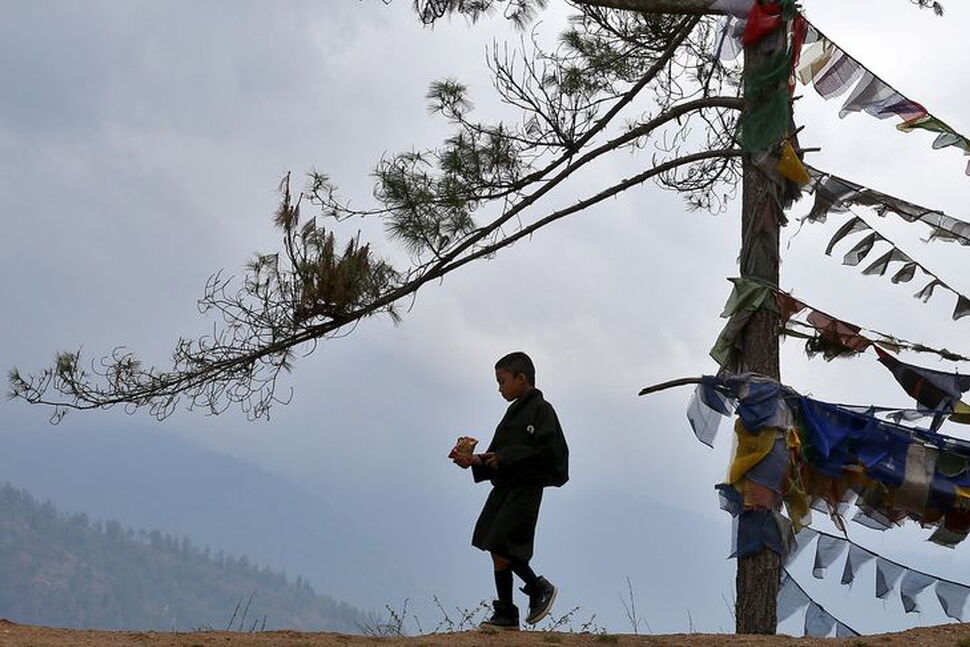
KATHMANDU, June 5 (Reuters) – The tiny Himalayan kingdom of Bhutan is worried about its declining population and has announced cash incentives to families to produce more children.
Nestled between China and India in the eastern Himalayas, Bhutan, a country of fewer than 800,000 people, is offering families monthly incentives of 10,000 ngultrums (about $105) for every third and subsequent children born on or after June 4, 2026 until the child reaches three, the government said in a statement on Thursday.
It will also cover eligible third and more children who were born before but have not yet attained three years of age as of the above date.
Cabinet Secretary Kesang Deki said the incentive would be given to families for any number of children after the second child. “They can have three, four, five, six or seven children,” she told Reuters on Friday.
Bhutan’s total annual births have fallen from 11,001 in 2015 to 8,153 in 2024, a decline about 26%, and the total fertility rate – children per woman – has declined to almost the replacement level of 2.1 in the period, official data show.
A declining and ageing population, together with outward migration, has long-term implications for Bhutan’s workforce, communities, and socio-economic development, the statement said.
Young Bhutanese people are increasingly seeking opportunities abroad mainly in Australia amid growing economic unhappiness in the landlocked Buddhist kingdom.
The new policy reflects the government’s “commitment to the welfare of mothers, children, and families, and to the long-term sustainability of Bhutan’s population”, it added.
The neighbouring Indian state of Sikkim also announced in 2023 incentives such as year-long maternity leave for women, month-long paternity leave for men, and financial support for those seeking pregnancy through in-vitro fertilisation.
Bhutan is known for its pioneering Gross National Happiness index, an alternative economic gauge that takes into account factors normally ignored by gross domestic product measures, such as recreation and emotional well-being.
(Reporting by Gopal Sharma; Editing by Sharon Singleton)
Copyright 2026 Thomson Reuters.