Matthias Kulka/Getty Images 
Gold has surged dramatically in price over the past year, drawing renewed attention from investors who are looking for ways to protect their wealth and diversify their portfolios. And, as volatility persists across parts of the broader market and other economic concerns linger, many retirement savers are exploring assets that historically hold value during periods of uncertainty. In turn, physical gold has become an increasingly popular option.
While there are numerous gold bullion routes to consider, one way investors can gain exposure with a tax-advantaged structure is through a gold individual retirement account (IRA). These specialized retirement accounts allow investors to hold certain IRS-approved gold coins and bars as part of their long-term savings strategy. But unlike traditional IRAs that hold stocks, bonds or mutual funds, a gold IRA involves storing actual precious metals.
That requirement introduces an important layer many new investors overlook: storage. There are strict rules that govern where the metal must be held, how it’s insured and how investors can verify that their holdings are properly secured. But what should investors know about these nuances before opening a gold IRA? That’s what we’ll outline below.
Start adding gold and other metals to your retirement portfolio today.
Gold IRA storage explained: Depositories, insurance and what you should verify
Understanding how this storage system works can help investors avoid compliance issues and ensure their retirement assets are properly protected. Here are the key elements investors should understand:
Approved depositories hold the gold
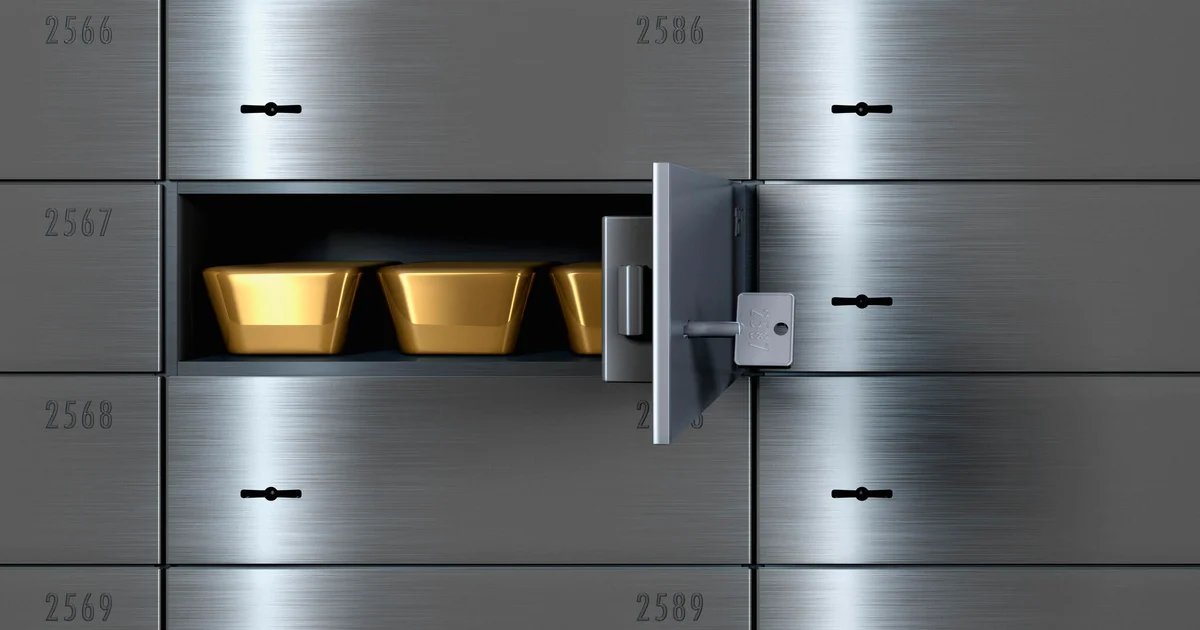
The IRS requires that gold owned within an IRA be stored in an approved precious metals depository. These facilities specialize in safeguarding bullion for institutional clients, financial institutions and retirement accounts. Depositories operate highly secure vaults designed specifically for storing valuable metals. They typically employ multiple security layers, including:
- 24-hour surveillance and monitoring
- Controlled access to vault areas
- Advanced vault technology and reinforced structures
- Strict security procedures for handling metals
When you purchase gold through a gold IRA, the metal is shipped directly from the dealer to the approved depository. You never physically take possession of the gold, though, and it remains inside the retirement account. Rather, the gold IRA custodian oversees this process and keeps official records showing how much gold the account owns.
Learn how gold can help protect your retirement portfolio now.
There are different storage options
Investors should also know the distinction between segregated storage and non-segregated (commingled) storage.
With segregated storage, the specific gold bars or coins purchased for your IRA are stored separately from the metals belonging to other investors. Your gold assets are typically placed in a container or vault section labeled with your account information. This type of storage generally carries higher feesbut provides additional clarity for investors who want their specific metals kept separately.
With non-segregated storage, your metals are stored alongside those belonging to other investors. While the facility maintains precise ownership records, the exact gold bars or coins originally purchased may not be the ones distributed if the account is liquidated or metals are withdrawn.
Insurance coverage protects stored metals
Insurance is another key component of gold IRA storage. Reputable depositories maintain large insurance policies designed to cover the metals stored in their vaults. These policies typically protect against risks such as theft, loss or damage while the metals remain in the facility.
Insurance coverage is usually provided through major global insurers and structured to cover the full value of the stored metals. This means that even in rare circumstances, such as a security breach or natural disaster, investors’ assets are protected. So, before opening a gold IRA, it’s important to confirm that the depository used by the gold custodian you choose maintains adequate insurance coverage — and that you fully understand the scope of that protection.
Independent audits verify the metals exist
Another important safeguard built into the gold IRA storage system is independent auditing. Professional depositories typically conduct routine audits performed by third-party verification firms. These audits compare physical vault holdings with custody records to ensure the metals listed in investor accounts actually exist in storage.
The auditing process helps maintain transparency and accountability, giving investors greater confidence that their assets are properly accounted for. In addition to depository audits, gold IRA custodians also maintain records of each account’s holdings, creating multiple layers of oversight.
Key things investors should verify
Because gold IRAs involve several parties — including a gold custodian, a precious metals dealer and a storage facility — investors should verify several details before opening an account. A few of the important questions you should ask include:
- Which depository will store the metals?
- Is the facility approved by the IRS and commonly used by reputable custodians?
- Does the storage option include segregated storage?
- What type of insurance coverage protects the metals?
- Are independent audits conducted regularly?
Taking time to verify these details can help you ensure that your gold IRA is structured properly and that your retirement assets are secure.
The bottom line
Gold IRAs allow investors to hold physical precious metals within a retirement account, but those assets must be stored according to strict IRS rules. That means working with approved depositories that provide secure vault storage, insurance coverage and independent verification of stored metals. So, if you’re considering a gold IRA, understanding how storage works — and carefully verifying the custodian and depository involved — can help ensure your gold holdings are protected and compliant with retirement account regulations.