Artificial intelligence is filling up our social media feeds and driving up prices, but the physical world still has its perks – like this week’s beautiful spring weather. I’m Sidney Slon, and here’s the week in review.
Monday
To start the week, Olivier examined the rise of AI-generated influencers and why AI is making it harder to determine reality from fiction on social media.
Many of the content creators posting about last week’s Coachella, the popular music and arts festival held every year in Southern California, were not all real people, The Verge reports. A number of influencer posts showed AI-generated avatars with celebrities or around the festival grounds. In many cases, the posts attracted millions of views despite featuring glitches and “uncannily attractive figures,” author Jess Weatherbed wrote.
But it’s not just Coachella content that’s being AI-generated. The New York Times reviewed a multitude of right-leaning social media videos that featured a diverse group of people using the same script soliciting comments from Trump supporters. The accounts did not identify they were AI-generated but found broad audiences, including one post with a half-million views, author Tiffany Hsu wrote.
Tuesday
Maryland is on track to ban “dynamic pricing,” in which retailers charge individual customers more based on their personal data, for large grocery stores and food delivery services. Olivier discussed the proposed law.
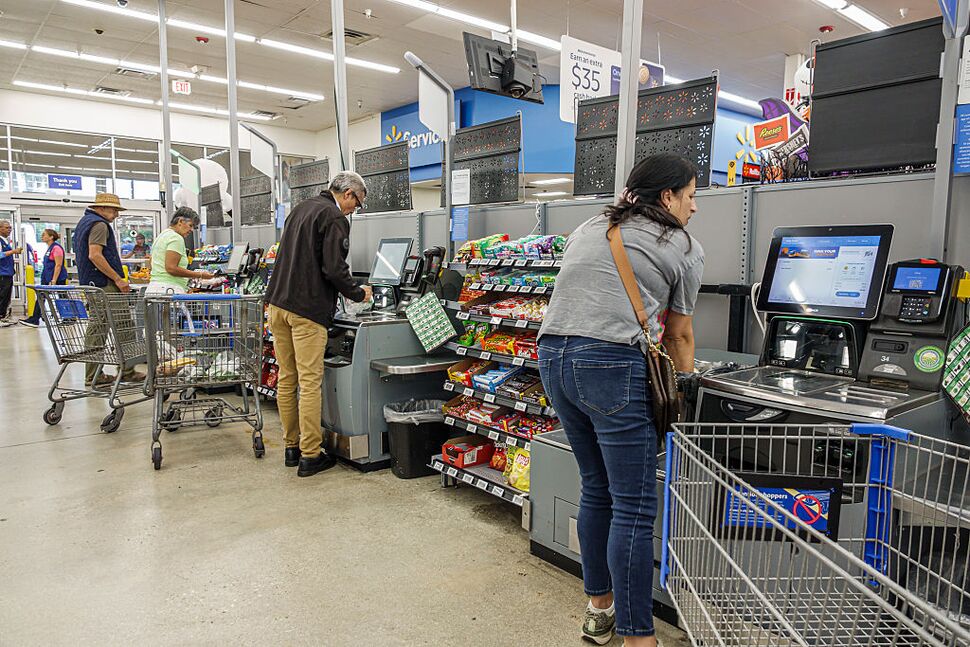
If passed, grocery stores larger than 15,000 square feet and services like DoorDash would not be able to use customer characteristics like sex, ethnicity and gender identity to raise prices on goods. Walmart stores also fit the criteria, just as the retailer is replacing physical price tags with digital ones, which could technically allow for instant changes to an item’s price.
Concerns about dynamic pricing have been growing nationwide, as AI makes it easier for companies to monitor individuals’ data. In July 2025, Delta Airlines responded to a request from Democratic senators about their pricing practices, stating that while AI was not used to target customers, individual “purchasing behavior” was being considered.
Wednesday
After the Supreme Court ruled that President Donald Trump’s signature tariffs were unlawful, the administration launched a platform for refund requests this week. But Olivier pointed out that the American consumers who bore the ensuing price hikes likely won’t get any money back.
That’s because only entities that paid the tariffs directly are eligible for reimbursement via the portal. While companies like FedEx have promised to issue refunds to customers who paid more, many companies may hold on to their reimbursements to hedge against the uncertainty of future tariffs.
And some companies may be debating whether to submit a refund request at all, after Trump indicated Tuesday that businesses could curry favor with him by not seeking refunds.
Thursday
Yesterday, Olivier turned to the newest flavor of political profiteering.
Kalshi announced it had fined and suspended three politicians from its platform for placing bets on their own campaigns. The company said it “actively blocks members of Congress and other politicians from joining the platform,” as well as government employees from betting on markets where they have insider information, or influence over the outcome.
Government officials are increasingly calling for stricter rules for prediction markets, which lawmakers argue offer gambling wagers rather than “futures contracts,” as the companies claim. But so far Kalshi has managed to dodge both state and federal enforcement actions, meaning they are left to police themselves.

Sign Up for U.S. News Decision Points
Your trusted source for breaking down the latest news from Washington and beyond, delivered weekdays.
By clicking “Sign Up”, you will receive the latest updates, including emails, from U.S. News & World Report and our trusted partners and sponsors, and you agree to our Terms and Conditions & Privacy Policy.