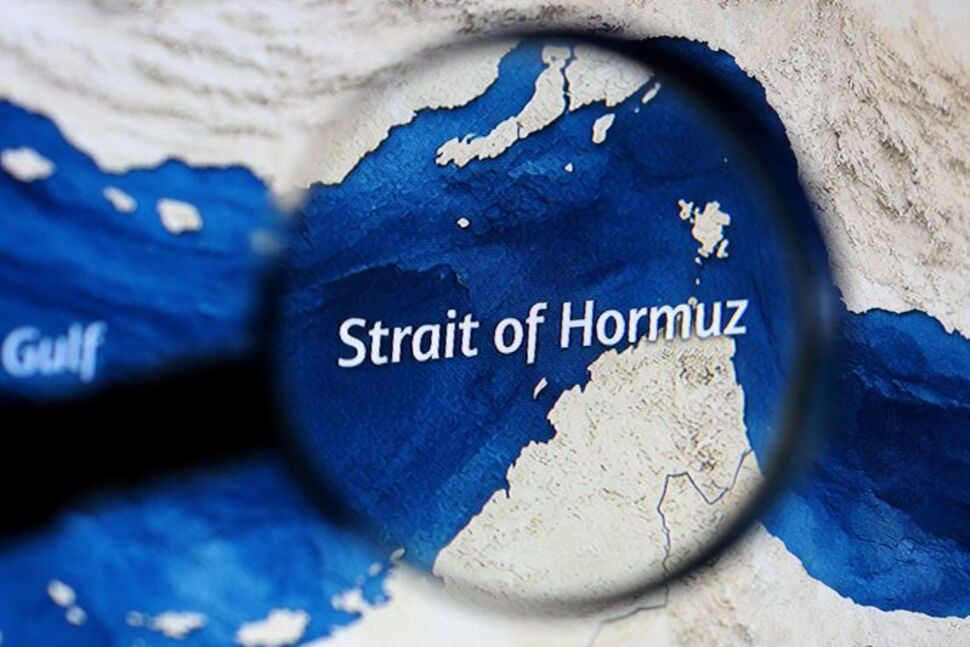
March 27 (Reuters) – The United Arab Emirates has told the U.S. and other Western allies it would participate in a multinational maritime taskforce to reopen the Strait of Hormuz, the Financial Times reported on Friday, citing people familiar with the matter.
The UAE is trying to push dozens of countries to create a “Hormuz Security Force” to defend the strait from Iranian attacks and escort shipping, the report added.
The UAE has faced more Iranian attacks than any other country in the region, including Israel.
Several U.S. allies have said they have no immediate plans to send ships to unblock the Strait of Hormuz, rebuffing a Trump request for military support to keep the vital waterway open.
France said on Thursday it had held talks with around 35 countries seeking partners and proposals for a mission to reopen the strait, but only once the U.S.-Israeli war on Iran ends.
Iran has effectively blocked the Strait of Hormuz, which carries about 20% of global oil and liquefied natural gas, spiking energy prices and fuelling global inflation fears.
The UAE is also working on a U.N. Security Council resolution with Bahrain to provide any future taskforce with a mandate, but Russia and China could oppose the move, the report added.
U.N. Security Council members have begun negotiating resolutions to protect commercial shipping in and around the Strait of Hormuz, including a Bahraini draft that would authorise the use of “all necessary means”, Reuters reported earlier this week.
Last week, a senior Emirati official said UAE may join a U.S.-led effort to protect shipping in the Strait of Hormuz after Iran all but shut the waterway to ships.
The waterway is vital to the economy of the UAE, a major oil exporter and trade hub. Iran has repeatedly attacked an Emirati port located outside the Gulf that is used to load oil exports.
Reuters could not immediately verify the report.
(Reporting by Anusha Shah in Bengaluru; Editing by Sonali Paul and Michael Perry)
Copyright 2026 Thomson Reuters.