The fighting continues in Iran and Ukraine, and Uber drivers in Massachusetts are fighting for their collective rights. Seth Cline here with what you may have missed in this short post-holiday week of Decision Points.
Tuesday
Fresh off the long weekend, Olivier surveyed ongoing peace talks in Iran, which President Donald Trump said Monday were “proceeding nicely.”
Were a deal to come to pass, Olivier noted it would need to address Iran’s nuclear weapons, obviously. Tehran promised not to “seek, develop or acquire” nukes as part of the nuclear deal negotiated under the Obama administration, but after Trump tore that up, there’s no guarantee Iran will commit to that again.
Any agreement would also likely need to include solutions to the Strait of Hormuz blockage and the strict sanctions on Iran, plus commitments from Iran to limit its uranium enrichment and its funding of proxies in the region like Hamas and Hezbollah.
Wednesday
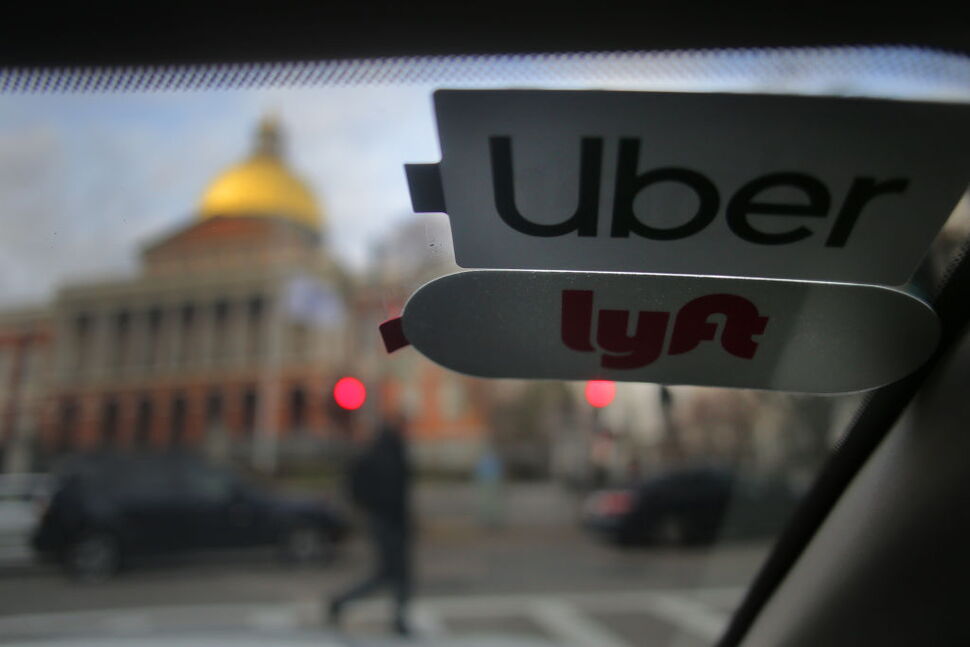
Midweek, Olivier turned to Massachusetts, where Uber and Lyft drivers just unionized for the first time. Their fledgling App Drivers Union will be backed by a subsidiary of the Service Employees International Union, so Olivier called up the president of the national SEIU, April Verrett, to get a sense of what drivers are fighting for.
Besides pay and safety, drivers also want job security, she said.
“Right now these drivers are at the whim of the app, of the algorithm, and they can get kicked off or deactivated at any time, and you know it basically puts them out of work,” Verrett said.
Will a union mean higher prices for ride-hailers? “Ride-share fares increase without a union,” she said. Could unionization spread? “Definitely,” Verrett said. “This is the largest private-sector unionization … since 1941,” she said, and it could be a model for “the next iteration of worker power.”
Thursday
Yesterday it was back to geopolitics, this time in Ukraine. It “may have dipped out of the headlines,” as Olivier wrote“but the largest land war in Europe since 1945 is still going on.”
And it’s been an eventful week on that battlefront. On Monday, Russia’s foreign minister urged the U.S. and Europe to evacuate their diplomats from Kyiv ahead of renewed Russian strikes on the Ukrainian capital. After European leaders refused, former Russian President Dmitry Medvedev posted that EU leaders must have “diplomats to spare and need to trim the headcount.” Woof.
That belligerence could be related to the war’s mounting toll on Russia. A British official said Wednesday that “almost half a million Russians” had been killed in the conflict, making it one of the deadliest wars since World War II. The costs are piling up too: Russia this week told its banks that they would have to fund their own defense against Ukrainian drone attacks.

Sign Up for U.S. News Decision Points
Your trusted source for breaking down the latest news from Washington and beyond, delivered weekdays.
By clicking “Sign Up”, you will receive the latest updates, including emails, from U.S. News & World Report and our trusted partners and sponsors, and you agree to our Terms and Conditions & Privacy Policy.