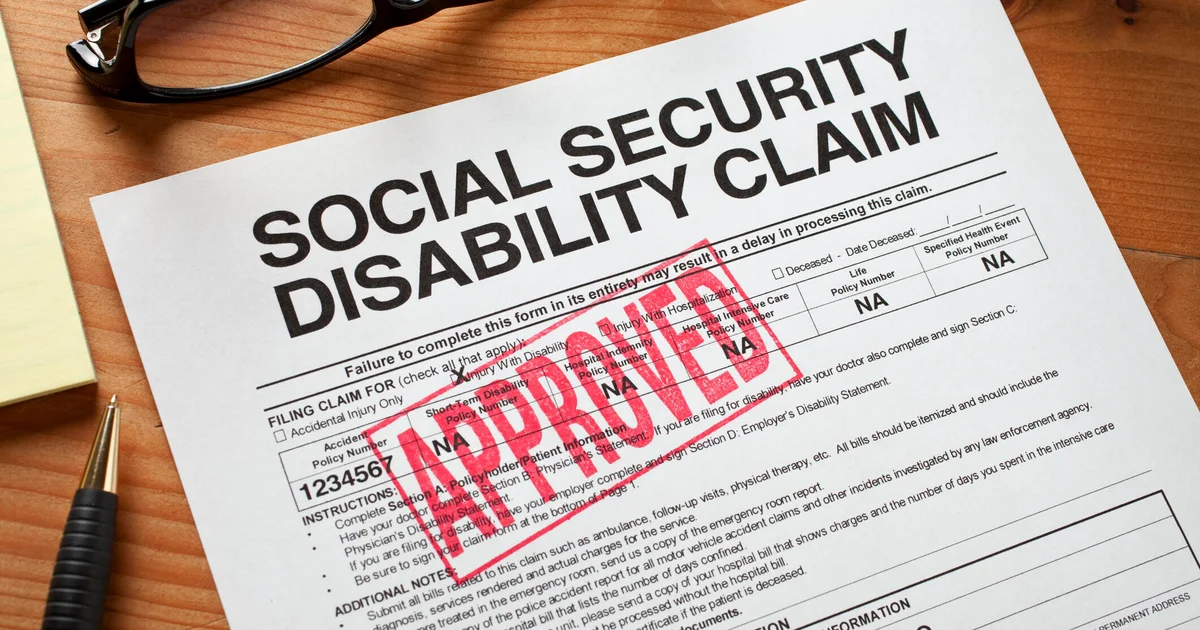
Min Wang/Getty Images 
The financial strain Americans are facing has intensified in recent months, as rising inflation just keeps pushing the cost of essentials higher. Rent, groceries, insurance premiums and medical expenses have all become more difficult to manage, particularly for those on a fixed income, and that financial pressure is forcing many households to rely more heavily on credit cards just to cover their routine bills. And as borrowing balances continue to climbso has the pressure that comes with trying to stay current on those accounts.
But while that pressure can be intense on the average borrower, it can become especially serious for those who depend on Social Security disability benefits as their primary source of income. In today’s landscape, that money likely isn’t stretching as far as it once did. As a result, many borrowers are missing payments, which can trigger collection calls, mounting interest charges and, eventually, even wage garnishment. And, when you’re already balancing health challenges with limited income, the idea of losing part of a monthly disability check can be extremely troubling.
And that concern makes sense. While Social Security disability benefits come with important federal protections, those safeguards aren’t always as far-reaching as you may assume. Can your Social Security disability benefits really be garnished for debt, though, or are the protections in place enough to keep your creditors at bay?
Get rid of debt and take back control of your finances today.
Can my Social Security disability benefits be garnished for debt?
In most cases, Social Security disability benefits are protected from garnishment by private creditors. That means credit card companies, personal loan lenders, medical debt collectors and many other consumer creditors generally cannot dip into your Social Security Disability Insurance (SSDI) or Supplemental Security Income (SSI) benefits directly from the Social Security Administration to repay what you owe.
Those protections come from federal law, which shields Social Security benefits from most forms of creditor collection activity. And, if your benefits are directly deposited into a bank account, your bank is also required to automatically protect up to two months’ worth of benefits from garnishment orders in many situations. However, that doesn’t mean your disability income is completely untouchable in every circumstance. Here’s what else to know:
Certain government debts can still result in garnishment
Federal debts are treated differently from private consumer debts. If you owe certain obligations to the government, your SSDI benefits may still be subject to garnishment or offset. This can include:
- Federal tax debt
- Defaulted federal student loans
- Child support
- Alimony
- Certain federal restitution orders
For example, the Treasury Offset Program can reduce Social Security disability benefits for some delinquent federal debts. While there are limits on how much can be taken, those reductions can still significantly impact someone already living on a fixed income. SSI benefits, meanwhile, generally receive stronger protections and typically cannot be garnished for federal student loans or tax debt. That’s because SSI is considered a needs-based program rather than an earned benefit program like SSDI.
Learn about the debt relief help that’s available to you now.
Bank account issues can create complications
While your benefits are legally protected, problems can arise once the money from your benefits is deposited into your bank account. And, one of the main issues occurs when protected disability income is mixed with non-protected funds, such as wages, tax refunds or money from other sources.
If your creditors obtain a court judgment and attempt a bank levyyour bank must protect qualifying federal benefits under federal banking rules. But if the account contains mixed funds or balances above the protected amount, some money could temporarily be frozen while the situation is reviewed.
That can create a major financial hardship, especially for borrowers who rely on disability income to pay for housing, medications and groceries. In turn, keeping disability benefits in a separate account used only for federal benefit deposits may help reduce complications if collection activity escalates.
Lawsuits can still happen
A creditor ultimately cannot garnish your disability benefits, but they may still sue you for unpaid debt. And, a lawsuit can lead to court judgments, increased collection pressure and attempts to levy bank accounts or place liens on certain assets. That’s why ignoring collection notices or court paperwork can be risky. Failing to respond may result in default judgments that give creditors additional collection options, even if your protected income itself remains largely shielded.
What to do if you’re struggling with debt while on disability
Being shielded from private creditor garnishment doesn’t mean the debt goes away — and the stress of outstanding balances, collection calls and mounting interest can take a serious toll. Fortunately, people living on disability benefits have options worth exploring.
One option is debt settlementwhich involves negotiating with creditors to pay less than the full amount owed, typically in a lump sum. Because creditors know they cannot garnish SSDI, they may be more willing to accept a reduced settlement rather than chase uncollectable debt indefinitely, which can work in your favor at the negotiating table.
Bankruptcy offers another path to relief. Chapter 7 bankruptcy, in particular, can discharge most unsecured debt and provides an automatic stay that halts collection activity immediately. And, Social Security disability income is generally excluded from the means test calculation, which can make it easier to qualify. Or, a debt management plan may be worth considering, as this route can help restructure your payments on more manageable terms, including lower interest rates and fees.
The bottom line
Social Security disability benefits are shielded from most creditors, but federal debts, child support and alimony obligations are notable exceptions that can reduce or intercept your payments. If you receive SSI, your protections are even stronger. And if debt is creating financial strain on top of your disability, relief options exist — from settlement to bankruptcy to debt management — that account for the realities of living on a fixed income.